
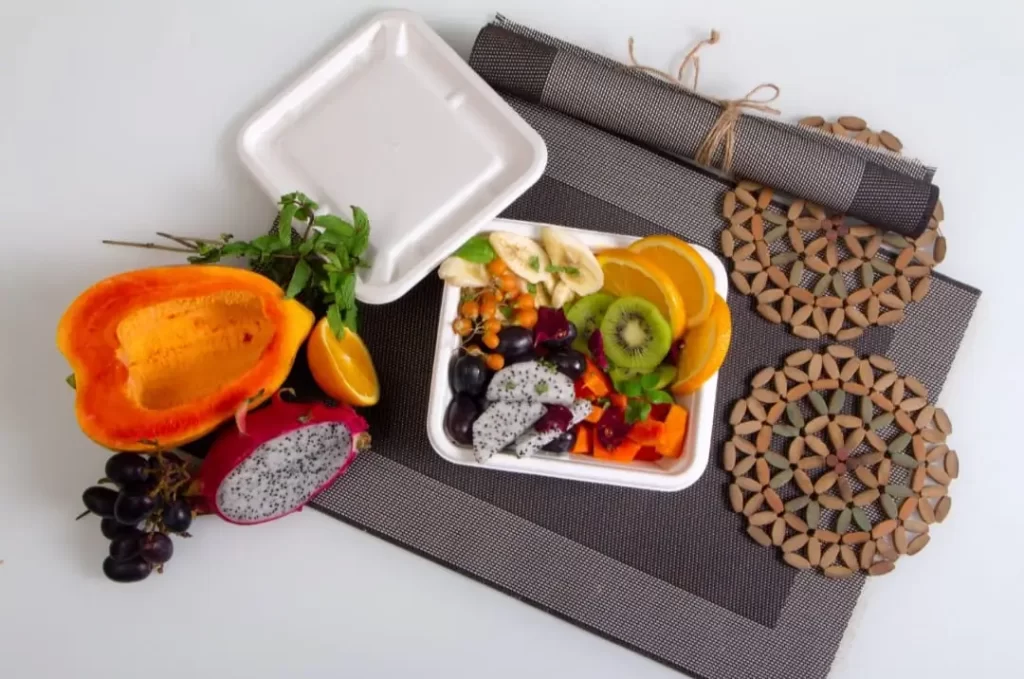
When you unwrap your food, unbox a delivery, or carry a hot cup of coffee, what happens to the packaging afterward? For most people, it ends up in the bin — forgotten. But the material doesn’t disappear. In fact, most traditional packaging can linger in landfills for hundreds of years.
This is exactly where sustainable packaging companies in India are making a difference. They’re introducing packaging solutions made from sugarcane — solutions that are compostable, practical, and planet-friendly. In this guide, we explore how sugarcane is transforming the industry, why Indian companies are leading this shift, and what it means for your brand and the environment.
Why Sustainable Packaging Matters More Than Ever
The numbers are hard to ignore. Every minute, the world buys over 1 million plastic bottles. Annually, packaging waste contributes heavily to the nearly 300 million tons of plastic produced — most of which is never recycled.
This growing environmental challenge has pushed both consumers and businesses to demand sustainable change. It’s not just about wrapping a product; it’s about what that wrapping represents. And today, sustainable packaging companies are offering viable, affordable, and smart alternatives that reduce harm without sacrificing convenience.
What Is Sustainable Packaging — And Why Sugarcane?
At its core, sustainable packaging is designed to reduce environmental impact across its entire lifecycle. That means it’s made from renewable or recycled materials, requires minimal energy to produce, and breaks down without polluting land or water.
Sugarcane, specifically the fibrous residue known as bagasse, has emerged as a game-changer. Once discarded as agricultural waste, it’s now being used to manufacture packaging that functions like plastic — but decomposes like a leaf. For brands seeking cleaner, greener operations, this is more than a material shift. It’s a shift in mindset.
The Rise of Sugarcane in Indian Sustainable Packaging
India has long been a major sugarcane producer, but now, this crop is fueling a different kind of industry. Bagasse, the leftover fiber after juice extraction, is lightweight, durable, and naturally compostable — making it ideal for food containers, trays, plates, and more.
Unlike paper, bagasse doesn’t collapse with moisture. Unlike plastic, it won’t outlive you. And unlike many alternatives, it’s cost-effective at scale. This makes it a favorite material for many eco-friendly packaging providers across India.
How Sustainable Packaging Companies in India Are Innovating
What sets India’s sustainable packaging companies apart isn’t just their use of eco-materials — it’s how they’re rethinking the entire process. From local sourcing to minimal processing, these companies are building ecosystems that are better for both the planet and the economy.
Take raw material sourcing, for example. Many firms rely on Indian-grown sugarcane, supporting farmers and keeping carbon footprints low. The production process often avoids harsh chemicals and consumes less energy. The resulting products — plates, containers, cups — are not only compostable, but also designed for real-world use, whether in a cloud kitchen or a corporate event.
These packaging innovators serve a wide range of industries, from hospitality and retail to logistics and e-commerce. They’re proving that sustainability isn’t a niche — it’s scalable, and it’s good business.
Sugarcane Packaging in Action: From Kitchens to Cartons
It’s one thing to talk about sustainability. It’s another to implement it at scale. Across India, green packaging brands are partnering with restaurants, retailers, and individuals to replace plastic in practical ways.
In food service, sugarcane trays and bowls are keeping meals hot and safe — without the harmful leaching common in plastic containers. Online brands are shipping products in bagasse-based inserts, offering unboxing experiences that are both elegant and eco-conscious. Events and wedding planners are opting for biodegradable cutlery and plates, while corporate gift boxes made from sugarcane materials leave a lasting impression on clients.
Even everyday households are getting on board — using compostable containers for parties, picnics, or daily meals. It’s a quiet revolution that’s happening one meal, one box, one business at a time.
Why Businesses Are Choosing Indian Sustainable Packaging Providers
The shift to sustainable packaging isn’t just an environmental decision — it’s increasingly a business one. Working with sustainable packaging companies in India gives brands a cost advantage, a legal edge, and growing consumer loyalty.
Consider this: companies can avoid fines related to plastic bans by using compostable materials. They benefit from bulk pricing when ordering at scale. And, with 70% of modern consumers preferring eco-conscious brands, this change is also a powerful marketing move.
Better yet, today’s sugarcane-based products don’t require compromise. They hold up to heat and moisture, look great, and fit into existing logistics workflows without disruption. It’s a low-risk, high-impact switch — and Indian suppliers are making that switch incredibly simple.
Spotlight on Fomex Group: Leaders in Compostable Packaging
Among the emerging names in this space, Fomex Group has become one of the most trusted sustainable packaging companies in India. They specialize in sugarcane-based packaging that is functional, durable, and beautifully designed.
From everyday food service essentials like plates and bowls to takeaway meal containers, hot and cold beverage cups, and compostable cutlery — Fomex offers solutions that work across industries. Their products are designed not just to reduce waste, but to enhance user experience and brand value.
Fomex stands out because they don’t treat sustainability as a gimmick. It’s the foundation of their process — from material sourcing to manufacturing to packaging design.
Making the Switch: How to Get Started with Sustainable Packaging
If you’re considering the transition, the process is simpler than you might think. Begin by evaluating your current packaging needs — whether it’s food containers, delivery trays, or event supplies. Then, connect with a trusted Indian supplier like Fomex to request samples.
Test the products in real-world scenarios. Do they hold heat? Are they stackable? Leak-proof? Once you’re confident, scale up gradually with bulk orders, which typically include custom branding and discounts.
The key is to start small — and grow with confidence, backed by companies who understand the operational side of packaging as well as the environmental one.
Aligning with India’s Sustainability Goals
India’s commitment to phasing out single-use plastic by 2030 is driving rapid transformation. And sustainable packaging companies are playing a vital role in helping both businesses and governments meet these targets.
Beyond waste reduction, this shift benefits rural economies by creating demand for agricultural byproducts. It lowers municipal waste management costs, encourages green manufacturing jobs, and positions India as a leader in climate-conscious industry.
This isn’t just about keeping up with global trends. It’s about creating a future that’s proudly Indian — rooted in sustainability and innovation.
Final Thoughts: Every Package Is a Choice
Packaging is more than just protection — it’s a reflection of your values. Every time you choose between plastic and a compostable alternative, you’re making a statement about the kind of future you believe in.
By partnering with sustainable packaging companies in India, you’re aligning with a movement that’s practical, powerful, and urgently needed. You’re supporting ethical manufacturing, boosting your brand image, and doing right by the planet.
At Fomex Group, the belief is simple: sustainability should feel natural. Their sugarcane-based packaging offers an easy, affordable, and impactful way to serve better — one product at a time.