
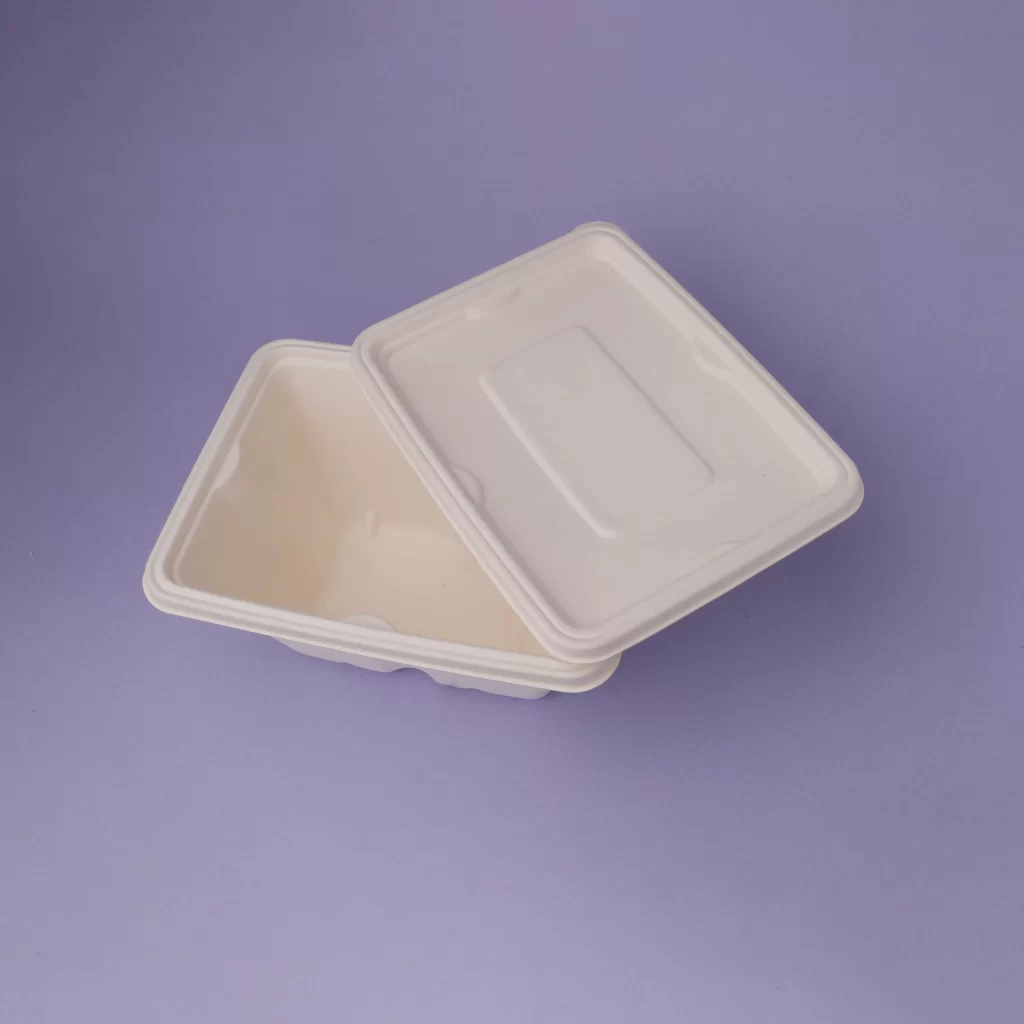
Plastic waste has become one of India’s most serious environmental problems. Overflowing landfills, clogged drains, and polluted rivers are now common sights. Biodegradable packaging offers a practical solution to this crisis without sacrificing hygiene or functionality.
In this blog, you will learn:
- The scale of plastic waste in India.
- How biodegradable materials (Sugarcane, Bamboo, etc.) work.
- Real-world applications in food, retail, and corporate sectors.
- The economic and environmental benefits for Indian businesses.
Understanding Plastic Waste in India
India generates millions of tonnes of plastic waste every year. Packaging—including takeaway containers, grocery bags, and eCommerce wrapping—accounts for a large share of this volume. While recycling exists, it is largely informal and unable to handle the scale produced.
A significant portion of this waste ends up in landfills or water bodies, eventually breaking down into microplastics that contaminate soil, water, and the food chain. Despite government bans, the lack of alternatives has slowed progress.
What Is Biodegradable Packaging?
Biodegradable packaging refers to materials made from natural, renewable resources that return to nature without leaving harmful residues when exposed to moisture, heat, and microorganisms.
Common Materials Used in India
Due to India’s strong agricultural base, these materials are practical and scalable:
| Material | Key Features |
|---|---|
| Sugarcane Bagasse | Made from sugar mill residue; ideal for plates and bowls. |
| Cornstarch Bioplastics | Looks like plastic but is fully compostable. |
| Areca Palm Leaves | Natural fallen leaves pressed into sturdy tableware. |
| Bamboo Fiber | Strong, durable, and rapidly renewable. |
How Biodegradable Packaging Helps India
Replacing Single-Use Plastics
Replacing plastic plates, cups, and cutlery with biodegradable versions immediately reduces the volume of plastic entering landfills. This is critical for the food service and retail industries.
Faster and Safer Decomposition
Traditional plastic persists for centuries. Biodegradable packaging decomposes within months under composting conditions, turning into organic matter that enriches the soil.
Preventing Microplastics
Since these materials do not fragment into plastic particles, they help prevent the accumulation of invisible pollutants in India’s rivers and groundwater.
Real-World Applications in India
- Food & Hospitality: Restaurants and cloud kitchens using eco-friendly takeaway boxes to comply with plastic bans.
- Agriculture & Retail: Produce trays, carry bags, and seedling pots used in supermarkets and mandis.
- Events & Corporate: Large-scale use in weddings, conferences, and office cafeterias to meet sustainability goals.
Environmental and Economic Impact
Environmental Benefits
- Lower carbon footprint by using agricultural waste.
- Supports a Circular Economy.
- Reduces soil and water pollution.
Economic Benefits
- Boosts rural manufacturing and employment.
- Long-term savings on waste management.
- Improved brand trust with conscious consumers.
Challenges and Limitations
While beneficial, there are hurdles to overcome:
- Higher initial cost vs plastic.
- Requires proper composting setups.
- Inconsistent regional availability.
- Need for consumer awareness.
How Businesses Can Successfully Switch
- Assess Needs: Match packaging type to product usage conditions.
- Source Certified Materials: Ensure quality and safety standards are met.
- Educate Stakeholders: Inform staff and customers about proper disposal.
- Phased Transition: Partner with reliable manufacturers for a consistent supply.
Frequently Asked Questions
Is biodegradable packaging allowed under Indian plastic ban rules?
Yes, certified biodegradable materials are permitted and highly encouraged by Indian regulations.
Does it decompose everywhere?
It decomposes best in composting conditions (moisture + microorganisms). Proper segregation is key.
Conclusion
The shift toward biodegradable packaging is more than an environmental choice; it is a responsible step toward a sustainable future for India. By adopting these solutions, businesses and consumers can actively reduce waste, support cleaner cities, and protect our ecosystems.