Fomex India

This blog explains what bagasse is, how it is produced, and why it has become an important material for sustainable packaging and biodegradable products. With growing concerns about plastic waste and environmental sustainability, industries are actively searching for eco friendly raw materials. Many businesses and consumers have heard the term “bagasse” but are not fully aware of what it is or how it is used.

You will learn about the origin of bagasse, its properties, industrial uses, environmental benefits, and why it is widely used in food packaging and paper manufacturing.

What Is Bagasse?

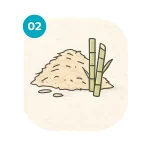
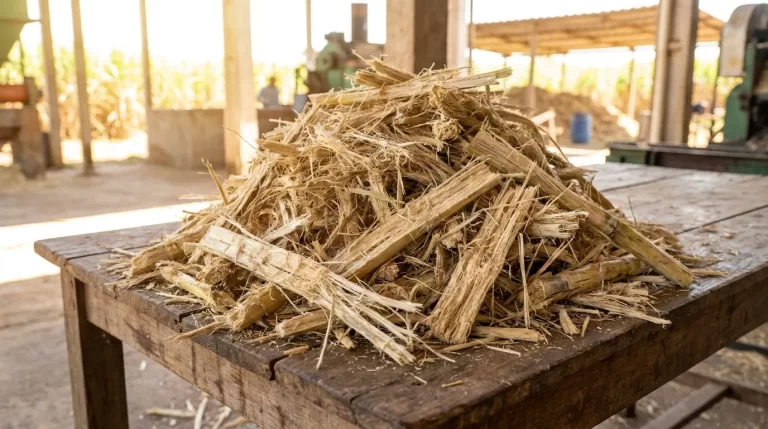
Bagasse is the fibrous residue left after extracting juice from sugarcane during the sugar production process. Once the juice is removed, the remaining dry pulp is called bagasse.

This material was traditionally considered agricultural waste. However, it is now widely used as a valuable raw material in various industries.

Bagasse is:

  • A natural by-product of sugarcane processing
  • Rich in cellulose fiber
  • Renewable and widely available
  • Suitable for manufacturing multiple products
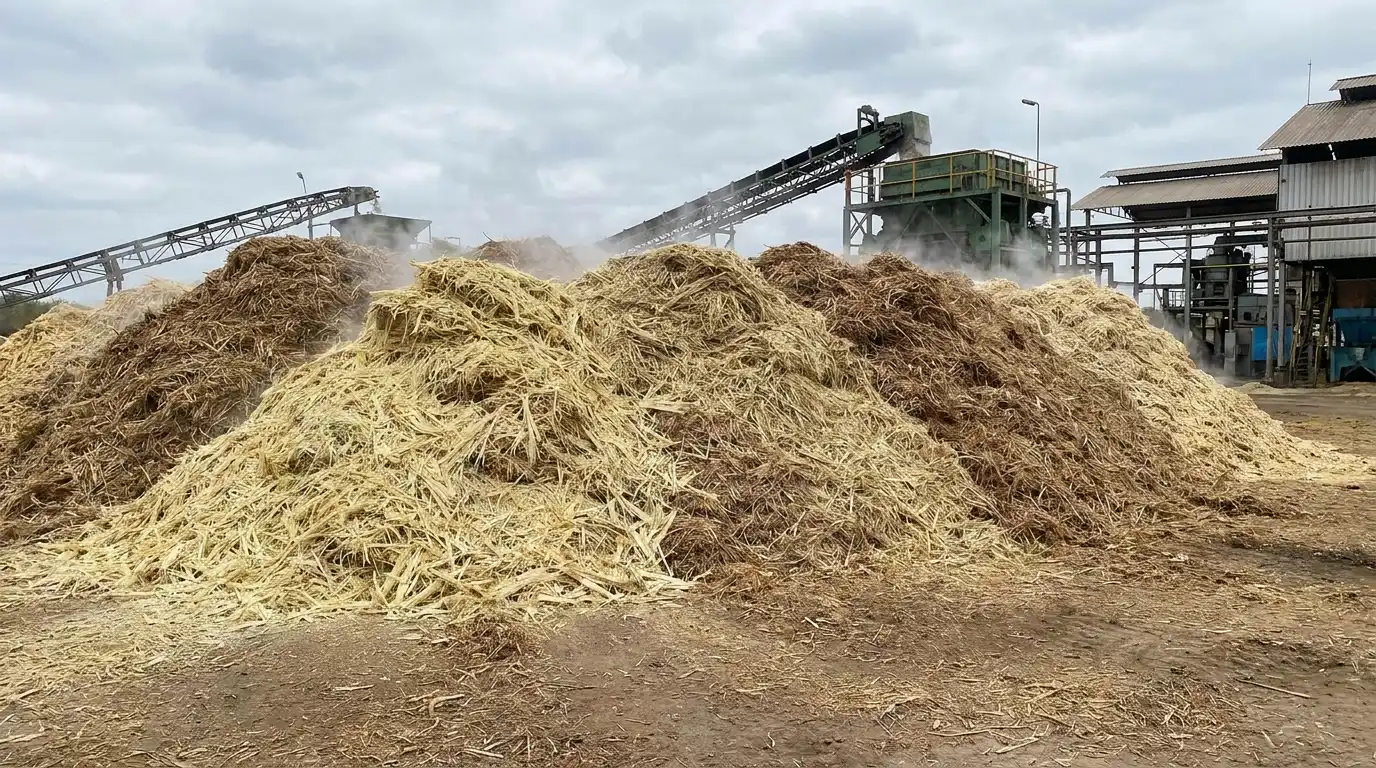
Bagasse Plant

How Bagasse Is Produced

Bagasse is generated during sugar production.

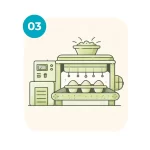
Step-by-Step Process

  1. Sugarcane is harvested from farms
  2. It is crushed in sugar mills to extract juice
  3. The leftover fibrous material becomes bagasse
  4. This material is collected and processed for industrial use

This process ensures that bagasse is continuously available in sugar-producing regions.


Key Properties of Bagasse

Bagasse has several characteristics that make it useful for manufacturing.

High Fiber Content

Bagasse contains a high level of cellulose, which is essential for making paper and molded products.


Lightweight and Strong

Despite being lightweight, bagasse fibers provide good strength and durability.


Heat Resistance

Bagasse can withstand heat, making it suitable for food packaging and disposable tableware.


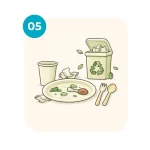
Biodegradable Nature

Bagasse naturally decomposes under proper conditions, making it an eco friendly material.
 

Uses of Bagasse

Bagasse is widely used across different industries.

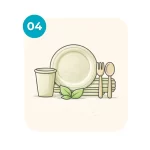
Biodegradable Tableware

Bagasse is commonly used to produce:

  • Plates
  • Bowls
  • Cups
  • Clamshell containers
  • Meal trays

These products are used as alternatives to plastic disposable items.


Paper and Packaging Industry

Bagasse is used to manufacture:

  • Writing and printing paper
  • Packaging paper
  • Paper bags
  • Cartons

This reduces dependence on wood-based paper production.


Energy Production

In sugar mills, bagasse is sometimes used as a biofuel to generate electricity and heat.


Agricultural Applications

Bagasse can also be used as compost or soil enhancer in farming.


Why Bagasse Is Important for Sustainable Packaging

Reduces Plastic Waste

Bagasse products replace plastic packaging, helping reduce environmental pollution.


Utilizes Agricultural Waste

Instead of being discarded, bagasse is converted into useful products.


Supports Circular Economy

Bagasse is reused within industrial systems, reducing waste and promoting sustainability.


Eco Friendly Alternative

Bagasse products are biodegradable and environmentally responsible.


Advantages of Bagasse Products

Using bagasse-based products offers several benefits.

Environmentally Friendly

Bagasse reduces reliance on plastic and wood-based materials.


Food Safe Material

Bagasse tableware is suitable for direct food contact when manufactured under proper standards.


Durable and Functional

Bagasse products can handle hot, cold, and oily food without losing strength.


Cost Effective in Bulk

For businesses, bagasse products can be economical when purchased in large quantities.


Industries That Use Bagasse

Bagasse is widely used in:

  • Food service industry
  • Packaging industry
  • Paper manufacturing
  • Agriculture
  • Energy production

Its versatility makes it a valuable industrial material.


Bagasse vs Plastic

Environmental Impact

Plastic takes hundreds of years to decompose, while bagasse breaks down naturally.


Sustainability

Bagasse is renewable and derived from agricultural waste, while plastic is petroleum-based.


Food Safety

Bagasse products are safer for hot food compared to some plastic alternatives.

Conclusion

Bagasse is a versatile and sustainable material derived from sugarcane waste. Once considered a by-product, it is now widely used in biodegradable tableware, paper manufacturing, and eco friendly packaging.

As industries move toward sustainable solutions, bagasse continues to play an important role in reducing plastic waste and supporting environmentally responsible production. Its availability, functionality, and eco friendly nature make it a key material for the future.

FAQs – Bagasse

What is bagasse?
Bagasse is the fibrous residue left after extracting juice from sugarcane, commonly used as a raw material for eco-friendly products.
Is bagasse biodegradable?
Yes, bagasse is biodegradable and decomposes naturally, making it an environmentally sustainable material.
What is bagasse used for?
Bagasse is used in the production of disposable tableware, paper products, packaging materials, and even as a source of bioenergy.
Is bagasse safe for food packaging?
Yes, when processed under proper food safety standards, bagasse products are safe for food packaging applications.
Why is bagasse eco friendly?
Bagasse is eco-friendly because it is made from renewable agricultural waste, reduces dependence on plastic, and supports sustainable production practices.