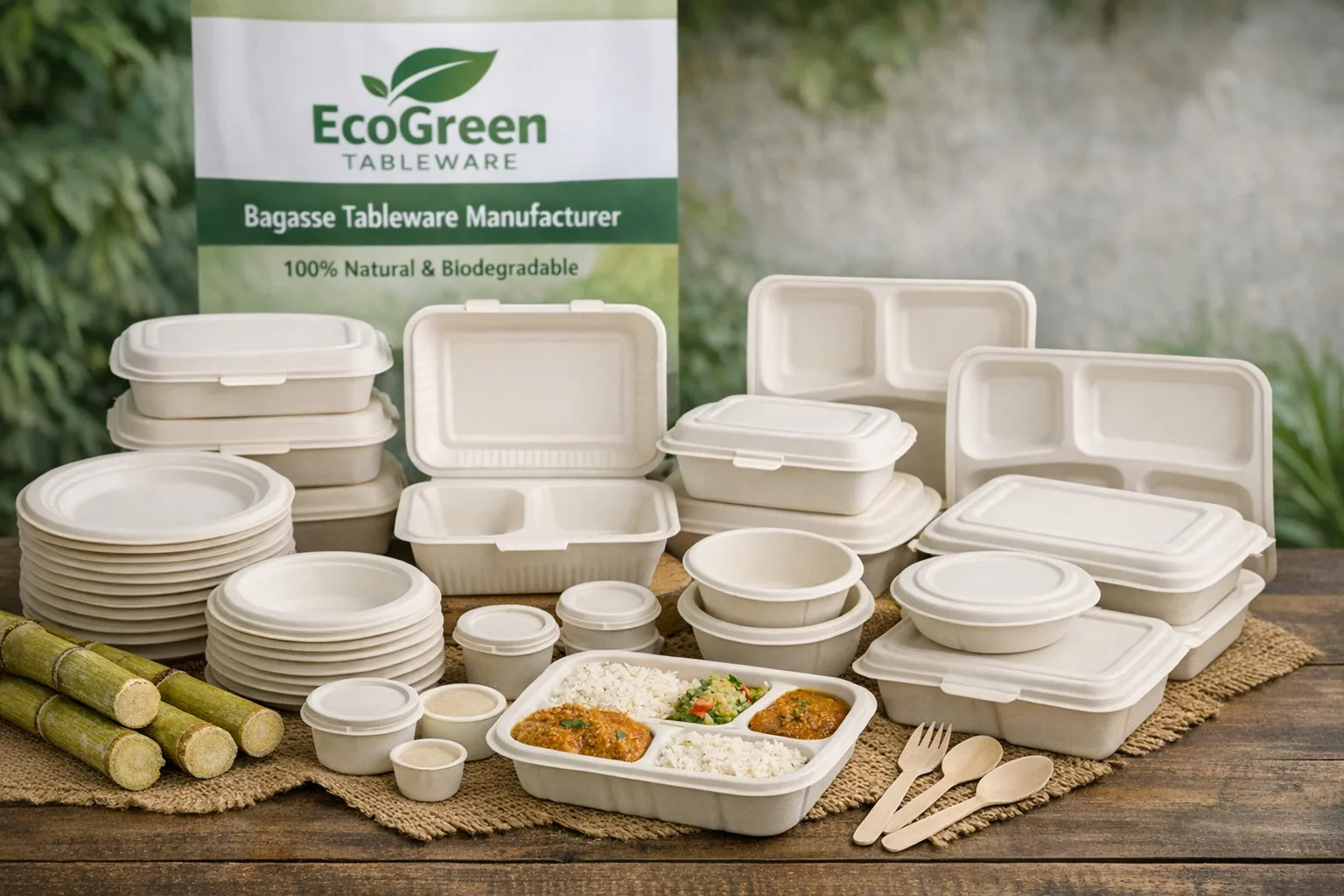
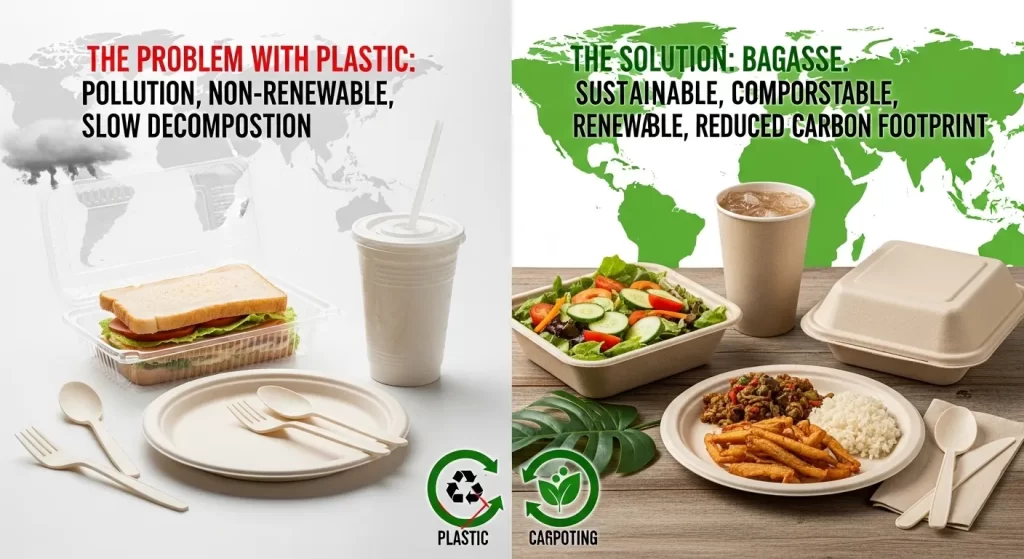
Plastic waste has become one of the world’s biggest environmental challenges, with millions of tonnes of single-use plastic entering landfills, rivers, and oceans every year. From disposable food containers and plastic plates to cups and takeaway packaging, traditional plastic products continue to create long-term pollution because they take hundreds of years to decompose. As governments introduce stricter regulations on single-use plastics and consumers become more environmentally conscious, businesses are actively searching for sustainable alternatives that deliver the same convenience without harming the environment.
Among the many eco-friendly packaging solutions available today, bagasse products have emerged as one of the most practical and reliable replacements for plastic. Manufactured from sugarcane bagasse, a renewable agricultural byproduct, these biodegradable products offer excellent durability, food safety, and environmental benefits while supporting the growing demand for sustainable food packaging. Restaurants, cafés, hotels, catering companies, cloud kitchens, food delivery businesses, supermarkets, and corporate cafeterias are increasingly adopting bagasse products to reduce plastic waste and meet evolving customer expectations.
In this comprehensive guide, you’ll learn why bagasse products are replacing plastic today, how they are manufactured, their environmental and commercial advantages, the industries driving their adoption, and why they are becoming the preferred choice for businesses seeking eco-friendly food packaging solutions.
What Are Bagasse Products?
Bagasse products are biodegradable disposable food packaging and tableware items manufactured from sugarcane bagasse, the natural fibrous residue left after extracting juice from sugarcane. Instead of being burned or discarded as agricultural waste, bagasse is collected, cleaned, and processed into high-quality food-grade products using advanced molding and heat-pressing technology.
This manufacturing process transforms a renewable byproduct into strong, lightweight, and durable packaging that can replace many conventional plastic products used in the food service industry.
Today, bagasse is widely used to manufacture:
- Bagasse Plates
- Bagasse Bowls
- Bagasse Cups
- Food Containers
- Clamshell Boxes
- Meal Trays
- Disposable Cutlery
- Serving Trays
- Takeaway Packaging
Unlike petroleum-based plastic products, bagasse products are manufactured from renewable natural fibers and are designed to decompose under suitable composting conditions. They provide an environmentally responsible solution for serving hot meals, cold foods, beverages, snacks, desserts, and takeaway orders without compromising performance.
Because of their excellent strength and food safety, bagasse products are now widely used across restaurants, cafés, hotels, catering companies, food delivery businesses, educational institutions, hospitals, airlines, corporate offices, and event management companies.
Why Plastic Is No Longer a Sustainable Choice
Plastic has been the preferred material for disposable food packaging for decades because it is lightweight, inexpensive, and easy to manufacture. However, its long-term environmental impact has created significant global challenges.
Growing Plastic Pollution
Every year, millions of tonnes of plastic waste are generated worldwide. A large percentage comes from single-use food packaging, including disposable plates, cups, bowls, containers, cutlery, and takeaway boxes.
Plastic waste often accumulates in:
- Landfills
- Rivers
- Lakes
- Oceans
- Urban drainage systems
Since conventional plastic may take hundreds of years to decompose, it continues to pollute ecosystems and threaten wildlife long after it is discarded.
Government Regulations on Single-Use Plastics
Governments across the world are introducing stricter regulations to reduce plastic pollution. Many countries have restricted or banned various single-use plastic products, encouraging businesses to adopt biodegradable and compostable alternatives.
For restaurants, hotels, food delivery businesses, and retailers, replacing plastic packaging is no longer just an environmental initiative but also a regulatory requirement in many regions.
Changing Consumer Expectations
Today’s consumers are far more environmentally conscious than ever before. Many customers actively support brands that demonstrate responsible environmental practices by using sustainable packaging.
Eco-friendly packaging now influences:
- Purchase decisions
- Customer trust
- Brand reputation
- Long-term customer loyalty
Businesses that invest in biodegradable packaging not only reduce their environmental impact but also strengthen their competitive position in the marketplace.
Corporate Sustainability Goals
Many companies have introduced sustainability and Environmental, Social, and Governance (ESG) initiatives to reduce waste and improve environmental performance. Replacing plastic packaging with biodegradable alternatives is one of the most practical steps businesses can take to achieve these goals.
Why Bagasse Products Are Replacing Plastic
Bagasse products have become one of the fastest-growing alternatives to plastic because they combine sustainability with the durability required for modern food service operations.
Manufactured from Renewable Agricultural Resources
Sugarcane is one of the world’s largest agricultural crops, generating millions of tonnes of bagasse every year. Instead of treating this fibrous material as waste, manufacturers convert it into valuable biodegradable food packaging products.
Using renewable agricultural byproducts helps reduce waste while making better use of existing natural resources.
Plastic-Free Packaging Solution
Unlike conventional disposable packaging, bagasse products are manufactured without petroleum-based plastics. This makes them an environmentally responsible choice for businesses seeking plastic-free food packaging that complies with changing environmental regulations.
Biodegradable and Compostable
One of the biggest advantages of bagasse products is their ability to decompose naturally under suitable composting conditions. Unlike plastic products that remain in the environment for decades or even centuries, bagasse packaging breaks down much more efficiently, helping reduce landfill waste and environmental pollution.
Excellent Strength and Durability
Modern bagasse products are designed to handle demanding commercial food service applications. Their dense molded fiber structure provides excellent durability for serving:
- Hot meals
- Rice dishes
- Curries
- Soups
- Noodles
- Oily foods
- Fast food
- Desserts
- Cold meals
This makes them suitable for restaurants, catering services, food delivery businesses, and takeaway operations.
Heat, Moisture, and Leak Resistance
Food packaging must maintain its shape and strength during serving and transportation. High-quality bagasse products are manufactured to resist heat, moisture, grease, and moderate liquid exposure, making them reliable for everyday food service.
Their leak-resistant performance helps businesses improve customer satisfaction while reducing the risk of packaging failures during delivery.
Food-Grade and Safe for Daily Use
Premium bagasse products are manufactured using hygienic production processes and are designed for direct food contact. They are suitable for serving both hot and cold foods without affecting food quality, making them a dependable choice for restaurants, cafés, hotels, and catering businesses.
As the demand for eco-friendly food packaging continues to grow, bagasse products are proving that businesses no longer have to choose between sustainability and performance.
Strong and Durable Packaging Solution
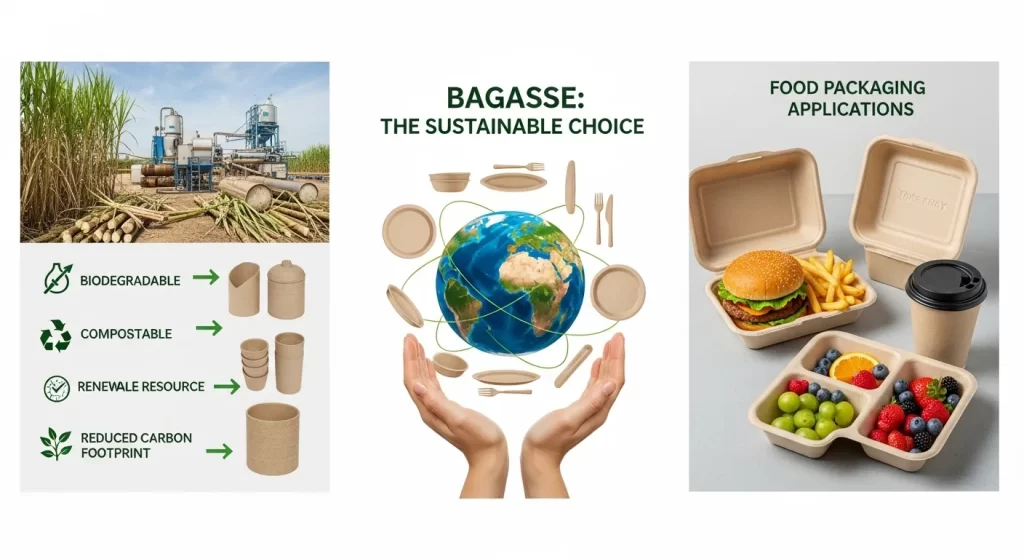
Modern bagasse products are designed for commercial food service use.
They offer:
- Heat resistance
- Leak resistance
- Oil resistance
- Structural strength
This makes them practical replacements for plastic containers and plates.
Benefits of Bagasse Products for Businesses
Businesses across the food service industry are increasingly replacing plastic packaging with bagasse products because they offer the ideal combination of sustainability, performance, and customer satisfaction. Whether serving meals in a restaurant or delivering food to customers, businesses need packaging that is durable, food-safe, and environmentally responsible.
Helps Meet Environmental Regulations
Many countries and local authorities have introduced restrictions on single-use plastic products. Bagasse products help businesses comply with these regulations while maintaining the convenience of disposable packaging.
Switching to biodegradable tableware also prepares businesses for future environmental regulations and sustainability requirements.
Provides Excellent Food Presentation
High-quality bagasse plates, bowls, and food containers maintain their shape while serving hot, cold, oily, and gravy-based foods. Their clean and natural appearance enhances food presentation, helping businesses create a premium dining and takeaway experience.
Reliable for Daily Commercial Use
Restaurants, cloud kitchens, and catering businesses serve hundreds or even thousands of meals every day. Bagasse products are designed to withstand regular commercial use while maintaining strength, stability, and leak resistance throughout serving and transportation.
Industries Driving the Shift to Bagasse Products
The growing demand for sustainable food packaging has encouraged businesses across multiple industries to replace conventional plastic products with biodegradable bagasse alternatives.
Restaurants and Cafés
Restaurants and cafés use bagasse plates, bowls, cups, and takeaway containers to serve breakfast, lunch, dinner, snacks, desserts, and beverages. These products provide reliable performance for both dine-in and takeaway services.
Hotels and Resorts
Hotels and hospitality businesses are increasingly adopting bagasse tableware for buffet services, outdoor catering, room service, conferences, and events. Sustainable packaging also supports their environmental initiatives and enhances the guest experience.
Catering Companies
Large catering businesses require disposable tableware capable of serving heavy meals during weddings, corporate events, exhibitions, festivals, and private functions. Bagasse products provide excellent durability while reducing environmental impact.
Cloud Kitchens and Food Delivery Businesses
Food delivery businesses need packaging that can safely transport meals without leakage or damage. Bagasse food containers and clamshell boxes help maintain food quality while supporting environmentally friendly operations.
Retail Stores and Supermarkets
Retailers are expanding their range of biodegradable disposable products to meet increasing consumer demand for sustainable household and food packaging solutions.
Corporate Offices and Educational Institutions
Corporate cafeterias, schools, colleges, universities, and hospitals are adopting bagasse products to reduce plastic waste while providing safe and hygienic food service.
Why Restaurants and Food Delivery Businesses Prefer Bagasse Products
The rapid growth of food delivery services has increased the demand for reliable disposable food packaging. Customers expect meals to arrive fresh, well-presented, and free from leaks.
Bagasse products meet these expectations because they provide:
Excellent heat resistance
Reliable moisture resistance
Strong leak-resistant performance
Suitable for oily and gravy-based foods
Durable structure during transportation
Better customer dining experience
Unlike many conventional disposable packaging materials, bagasse products maintain their strength even when serving challenging food items such as curries, noodles, rice dishes, soups, and fried foods.
For restaurants and cloud kitchens, this means fewer packaging failures, improved customer satisfaction, and greater confidence in takeaway and delivery operations.
Global Market Trends Supporting Bagasse Products
The worldwide market for biodegradable food packaging is expanding rapidly due to increasing environmental awareness and changing government regulations.
Growing Consumer Awareness
Consumers increasingly prefer environmentally responsible packaging when purchasing food and beverages. Businesses that adopt biodegradable packaging often strengthen customer trust and improve brand loyalty.
Expansion of Sustainable Packaging
Food manufacturers, restaurants, supermarkets, and retailers are investing in eco-friendly packaging to reduce plastic waste and meet sustainability goals.
Rising Export Demand
Countries with strong sugarcane production, particularly India, have become leading suppliers of bagasse products to international markets. Demand continues to grow across Europe, North America, the Middle East, Australia, and Southeast Asia as businesses seek reliable biodegradable packaging solutions.
Corporate Sustainability Initiatives
Many global companies have introduced sustainability commitments aimed at reducing plastic consumption and increasing the use of renewable packaging materials. Bagasse products play an important role in helping organizations achieve these environmental objectives.
Environmental Benefits of Bagasse Products
One of the biggest reasons bagasse products are replacing plastic is their positive environmental impact. By transforming agricultural waste into useful disposable products, manufacturers create packaging solutions that support both sustainability and resource efficiency.
Reduces Plastic Waste
Every bagasse plate, bowl, cup, or food container used instead of plastic helps reduce the amount of plastic waste entering landfills and natural ecosystems.
Utilizes Renewable Agricultural Byproducts
Sugarcane bagasse is a renewable resource generated during sugar production. Converting this material into disposable tableware reduces agricultural waste while creating valuable commercial products.
Lower Carbon Footprint
Compared to petroleum-based plastic manufacturing, producing bagasse products makes better use of renewable resources and supports more sustainable production practices.
Supports the Circular Economy
Instead of discarding agricultural residue, bagasse manufacturing keeps valuable natural resources in productive use. This supports a circular economy where waste materials are transformed into environmentally beneficial products.
Encourages Responsible Food Packaging
As more businesses adopt biodegradable packaging, the food service industry moves closer to reducing its dependence on conventional plastic products. This shift benefits businesses, consumers, and the environment by promoting cleaner and more sustainable food packaging systems.
Bagasse Products vs Plastic Products
When choosing disposable food packaging, businesses must consider more than just price. Durability, food safety, environmental impact, and customer expectations all play an important role. Comparing bagasse products with conventional plastic products highlights why more businesses are making the switch to sustainable alternatives.
Material Source
Bagasse products are manufactured from sugarcane bagasse, a renewable agricultural byproduct generated during sugar production. Plastic products, on the other hand, are made from petroleum-based raw materials, which rely on non-renewable fossil fuels.
Food Safety
High-quality bagasse products are manufactured for direct food contact and are suitable for serving hot meals, cold foods, oily dishes, and beverages. Their natural fiber composition makes them a reliable choice for modern food service.
Plastic products may vary in quality depending on the material used. Some plastics are not intended for repeated exposure to high temperatures or prolonged contact with hot food.
Heat and Leak Resistance
Bagasse products are designed to withstand heat, moisture, grease, and moderate liquid exposure. Their dense molded fiber structure provides excellent leak resistance during normal food service operations.
Plastic containers may perform well under certain conditions, but they contribute significantly to long-term environmental pollution after disposal.
Environmental Impact
One of the biggest differences between bagasse and plastic products is their environmental impact. Bagasse products naturally decompose under suitable composting conditions, while plastic products can remain in the environment for hundreds of years.
Bagasse Products vs Plastic Products
| Feature | Bagasse Products | Plastic Products |
|---|---|---|
| Raw Material | Sugarcane Bagasse | Petroleum-Based Plastic |
| Plastic-Free | Yes | No |
| Biodegradable | Yes | No |
| Compostable | Yes | No |
| Suitable for Hot Food | Yes | Yes |
| Leak Resistant | Yes | Yes |
| Renewable Resource | Yes | No |
| Eco-Friendly | Yes | No |
Economic Benefits of Bagasse Products
The increasing adoption of bagasse products is creating positive economic opportunities while supporting sustainable industrial growth.
Supports the Sugar Industry
Bagasse is generated as a byproduct during sugar production. Converting it into disposable tableware creates additional value for the sugar industry while reducing agricultural waste.
Strengthens Local Manufacturing
The growing demand for biodegradable food packaging encourages investment in manufacturing facilities, production technology, and product innovation across India.
Creates Employment Opportunities
The bagasse manufacturing industry supports employment across raw material processing, production, quality control, packaging, logistics, export operations, and distribution.
Expands Export Opportunities
Indian manufacturers export bagasse products to countries around the world where demand for sustainable food packaging continues to increase. This contributes to export growth while strengthening India’s position in the global biodegradable packaging market.
Why India Is Becoming a Global Hub for Bagasse Products
India has become one of the leading manufacturers and exporters of bagasse products because of its abundant sugarcane production, advanced manufacturing capabilities, and expanding global trade network.
Abundant Raw Material
As one of the world’s largest producers of sugarcane, India has a reliable supply of high-quality bagasse for manufacturing biodegradable tableware and food packaging.
Advanced Manufacturing Technology
Modern manufacturing facilities use precision molding, automated production systems, and strict quality control processes to produce durable, food-grade bagasse products for domestic and international markets.
Competitive Production Costs
Indian manufacturers combine efficient production with cost-effective operations, enabling them to supply premium-quality bagasse products at competitive prices.
Strong Export Infrastructure
India exports biodegradable tableware to Europe, North America, the Middle East, Australia, Southeast Asia, and many other international markets where businesses are actively replacing plastic packaging with sustainable alternatives.
How to Choose the Right Bagasse Products Manufacturer
Selecting a reliable manufacturer is essential for businesses that require consistent quality and long-term supply.
When choosing a supplier, consider the following:
Food-Grade Quality
Ensure products are manufactured using hygienic production processes suitable for direct food contact.
Manufacturing Capacity
Choose a manufacturer capable of fulfilling bulk orders while maintaining consistent quality and delivery schedules.
Product Range
Working with a supplier offering a complete range of biodegradable tableware simplifies purchasing and ensures consistency across packaging products.
Customization Options
Look for manufacturers offering:
OEM manufacturing
Private labeling
Logo printing
Customized packaging
Multiple product sizes
Export Experience
International buyers should choose manufacturers with proven export capabilities and experience handling global shipping and documentation requirements.
Why Choose Fomex Group India?
Fomex Group India is a trusted manufacturer and exporter of premium-quality bagasse products and biodegradable food packaging solutions. Using advanced manufacturing technology and carefully selected sugarcane bagasse, we produce durable, food-grade products that meet the needs of modern food service businesses.
Our product range includes:
Bagasse Plates
Bagasse Bowls
Bagasse Cups
Food Containers
Clamshell Boxes
Meal Trays
Disposable Cutlery
Complete Bagasse Tableware Solutions
Businesses choose Fomex Group India because of our:
Consistent product quality
Bulk production capability
Food-grade manufacturing standards
Export-ready packaging
OEM and private labeling services
Reliable delivery schedules
Commitment to sustainable manufacturing
Whether you operate a restaurant, hotel, catering company, food delivery business, retail chain, or distribution network, Fomex Group India provides dependable packaging solutions designed for today’s environmentally responsible food service industry.
The Future of Bagasse Products
As governments strengthen regulations on single-use plastics and consumers increasingly support environmentally responsible businesses, the demand for biodegradable food packaging will continue to grow.
Bagasse products are expected to play an even greater role in replacing conventional plastic packaging across restaurants, cafés, hotels, catering services, supermarkets, airlines, and food delivery businesses. Their combination of sustainability, durability, and food safety makes them one of the most promising packaging solutions for the future.
With continued innovation in manufacturing and increasing global demand, India is well positioned to remain a leading supplier of bagasse products to domestic and international markets.
Conclusion
Bagasse products are rapidly replacing plastic because they provide a practical balance between performance, food safety, and environmental responsibility. Manufactured from renewable sugarcane bagasse, these biodegradable products help reduce plastic waste while delivering the strength and durability required for modern food service applications.
As businesses and consumers continue to prioritize sustainable packaging, bagasse products are becoming the preferred choice for restaurants, cafés, hotels, catering companies, food delivery businesses, retailers, and event organizers worldwide.
If you are looking for a trusted bagasse products manufacturer in India, Fomex Group India offers a complete range of premium-quality biodegradable plates, bowls, cups, food containers, meal trays, and sustainable tableware solutions. With advanced manufacturing capabilities, consistent product quality, and reliable bulk supply, Fomex Group India helps businesses transition toward eco-friendly food packaging with confidence.