
Bagasse cups are made from sugarcane fiber, the fibrous material left after sugarcane juice extraction. Manufacturers process this material into molded food-service products that can be used for sauces, dips, condiments, side portions, and selected beverage applications.
The product range can vary considerably. Some manufacturers specialize in small dip and portion cups, while others supply larger bagasse cups for food and beverage service. Therefore, buyers should define their application before comparing suppliers.
This guide explains what to look for when buying bagasse cups directly from Indian manufacturers, including product types, applications, quality checks, bulk purchasing, customization, and supplier selection.
What Are Bagasse Cups?
Bagasse cups are disposable food service containers manufactured from sugarcane bagasse. After sugarcane is processed for juice, the remaining fibrous material can be converted into pulp and molded into useful products.
This gives manufacturers a way to turn a sugarcane by-product into food packaging rather than relying entirely on conventional plastic.
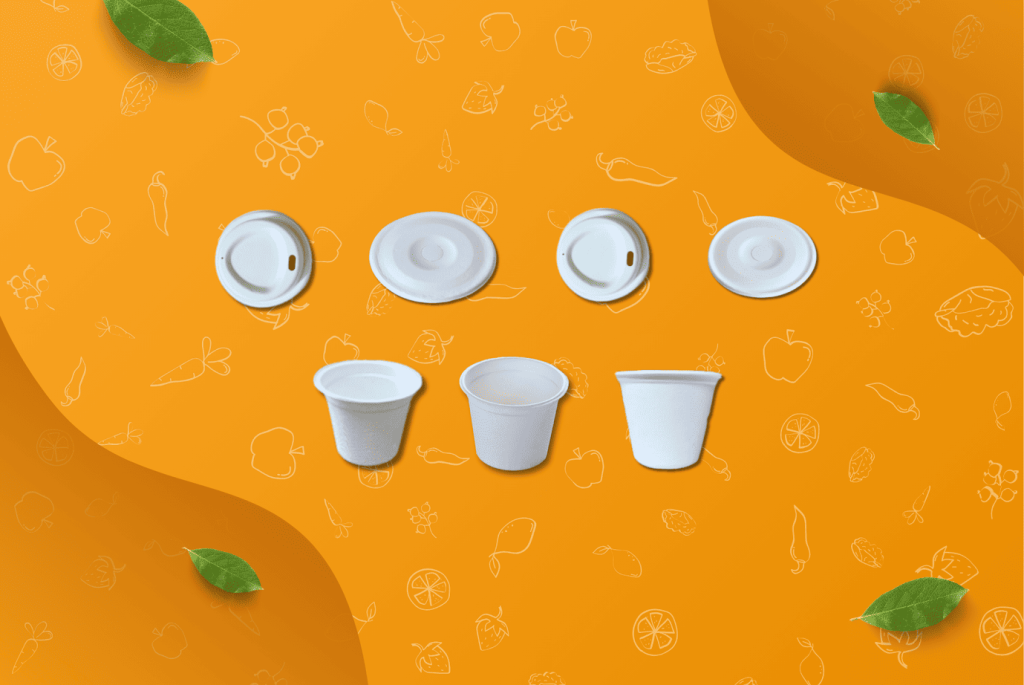
Depending on the product design, bagasse cups can be used for:
- Sauces
- Ketchup
- Mayonnaise
- Chutneys
- Dips
- Salad dressings
- Condiments
- Desserts
- Portion-controlled servings
- Selected beverage applications
For example, Fomex currently lists 1 oz and 2 oz dip cups, matching lids, and a 4 oz, 110 ml cup in its bagasse cup range.
Why Buy Bagasse Cups from Manufacturers?
Buying directly from a manufacturer can be particularly useful when you need regular or high-volume supply.
Better Control Over Specifications
A direct conversation with the manufacturer allows you to discuss the exact cup size, capacity, dimensions, weight, lids requirements, packaging, and intended application.
This matters because a sauce cup for a fast-food restaurant has very different requirements from a cup intended for beverage service.
Better Bulk Purchasing Options
Manufacturers can quote according to your required quantity and specifications.
For large orders, you may also have more flexibility regarding:
- Packaging
- Product configuration
- Private labeling
- Custom designs
- Repeat production
However, don’t choose a supplier based only on the lowest unit price. Freight, packaging, customization, taxes, and delivery costs can affect the final landed cost.
More Consistent Supply
Running out of disposable cups can create problems for restaurants and food delivery businesses.
A manufacturer with sufficient production capacity can support repeat orders and help you maintain inventory during busy periods.
Direct Communication
Working directly with the factory also makes it easier to discuss product issues, samples, specifications, quality requirements, and future orders.
For wholesalers and distributors, this can become especially important as order volumes increase.
Types of Bagasse Cups You Can Buy
Not every bagasse cup serves the same purpose. Choosing the right type starts with understanding your application.
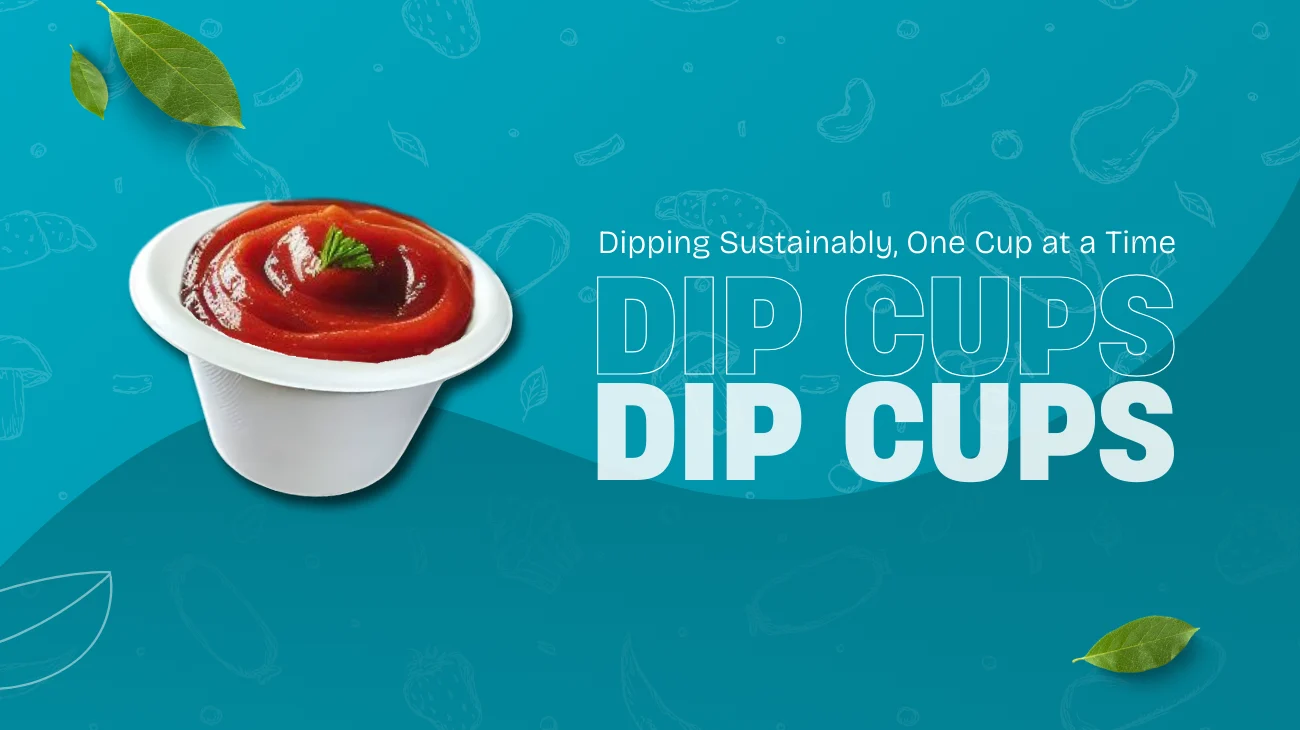
Bagasse Dip Cups
Small dip cups are commonly used for:
- Ketchup
- Mayonnaise
- Chutneys
- Sauces
- Dips
- Dressings
- Toppings
They’re particularly useful for quick-service restaurants and takeaway orders because individual portions can be packed with meals without using conventional plastic condiment containers.
Bagasse Portion Cups
Portion cups help businesses control serving sizes while keeping sauces and side dishes separate from the main meal.
They can be useful for:
- Food delivery
- Meal preparation
- Catering
- Airline catering
- Institutional kitchens
- Quick-service restaurants
Fomex lists portion and dip cup products for food delivery, catering, institutional kitchens, and restaurant applications.
Bagasse Sauce Cups
Restaurants can use sauce cups for side servings that customers may want to add to their meals.
A suitable cup should maintain its shape during normal handling and provide appropriate resistance to the food being served.
Bagasse Beverage Cups
Larger bagasse cups may be designed for beverage applications. However, buyers should check the manufacturer’s specifications carefully before using a particular cup for hot beverages or long duration liquid storage.
Temperature ratings, lids compatibility, liquid resistance, and intended use can differ between products.
How Bagasse Cups Are Manufactured
The basic manufacturing process begins with sugarcane bagasse.
1. Collection
Sugarcane is processed to extract juice, leaving fibrous bagasse behind.
2. Cleaning
The fiber is cleaned to remove unwanted material.
3. Pulp Preparation
The cleaned fiber is processed into pulp suitable for molded-fiber manufacturing.
4. Molding
The pulp is formed inside molds that determine the cup’s shape and dimensions.
5. Heat and Pressure
Controlled heat and pressure help create the finished molded structure.
6. Drying and Finishing
The products are dried, trimmed, and finished before inspection.
7. Quality Inspection
Manufacturers should check dimensions, weight, appearance, structural integrity, and relevant food-contact requirements.
This process allows different cup sizes and shapes to be manufactured for different food-service applications.
Where Are Bagasse Cups Used?
The demand for bagasse cups comes from several food-service industries.
Restaurants
Restaurants use small cups for sauces, chutneys, dressings, and side portions. This makes portioning easier while keeping different foods separated.
Fast-Food Businesses
Burger shops, QSRs, snack outlets, and takeaway restaurants can use dip cups for ketchup, mayonnaise, cheese sauces, and other condiments.
Food Delivery Businesses
Delivery orders often need sauces and toppings packed separately. A compact bagasse portion cup can make the meal easier for customers to use while keeping the main food container cleaner.
Catering Companies
Caterers can use portion cups for large events where hundreds or thousands of individual servings need to be prepared efficiently.
Cafés
Depending on the product, smaller cups can be used for toppings, cream, sauces, desserts, and side portions.
Hotels and Hospitality
Hotels, resorts, and event venues can use portion packaging for breakfast service, room service, buffets, and catered events.
What to Check Before You Buy Bagasse Cups
A product photograph isn’t enough to judge a cup.
Before placing a large order, request samples and check them with the actual food or sauce you plan to serve.
Check Cup Strength
Fill the cup with the intended product and handle it normally.
Does it remain firm?
Does the rim stay intact?
Does the base remain stable?
These simple tests can reveal quality differences between suppliers.
Check Liquid Performance
For sauces, dressings, and liquid foods, test the cup for the expected holding period.
A cup that works well for a thick sauce may not perform identically with a thin liquid.
Check Lid Fit
If you need lids, test the actual cup and lid combination.
A secure fit is particularly important for food delivery because the cup may be transported in a bag with other products.
Check Food-Contact Documentation
Ask the manufacturer for relevant food-contact documentation and product specifications.
If you’re exporting, tell the supplier your destination market before ordering because regulatory requirements can differ between countries.
Bagasse Cups Wholesale and Bulk Buying
If you’re purchasing thousands of cups, prepare a clear product specification before requesting quotations.
Your RFQ should include:
Product type + capacity + quantity + lid requirement + packaging + delivery location + customization.
For example:
2 oz bagasse dip cup, 50,000 pieces, matching lids, export carton packaging, delivered to destination port.
This gives manufacturers enough information to prepare a more useful quotation.
Compare These Factors
- Per-piece price
- Minimum order quantity
- Product weight
- Cup dimensions
- Lid price
- Packaging cost
- Freight
- Production lead time
- Payment terms
- Certifications
- Customization charges
The cheapest quotation isn’t necessarily the cheapest overall option.
A supplier with better product consistency and fewer quality issues may provide better value over repeated orders.
Can You Customize Bagasse Cups?
Customization depends on the manufacturer’s capabilities and order volume.
Possible options can include:
- Custom packaging
- Private labeling
- Branded cartons
- Custom product designs
- OEM production
- Matching lids
If you want customized packaging, ask about the minimum order quantity before starting the design process.
For standard products, manufacturers can usually provide faster production than for new molds or highly customized products.
Why India Is a Strong Source for Bagasse Cups
India has a large sugarcane industry, giving manufacturers access to sugarcane bagasse as a raw material.
The country also has an established food-packaging manufacturing sector and growing export capabilities.
Indian manufacturers supply molded-fiber products to restaurants, distributors, food-service companies, wholesalers, and international buyers.
For buyers, this creates an opportunity to source bagasse products directly rather than relying entirely on imported finished packaging.
Why Choose Fomex Group India?
If you’re looking to buy bagasse cups from manufacturers in India, Fomex Group India is one supplier you can evaluate for bulk requirements.
Fomex’s current product page lists 1 oz and 2 oz Classi Bio dip cups, matching bagasse lids, and a 4 oz, 110 ml cup. The listed packaging quantities include 5,000 pieces per box for the 1 oz and 2 oz dip cups and 3,000 pieces per box for the 4 oz cup.
The company states that its bagasse cups are intended for applications including sauces, condiments, dressings, dips, side servings, and takeaway packaging. It also states that it supplies restaurants, QSRs, food delivery businesses, caterers, distributors, and export buyers.
Fomex’s company information states that it manufactures compostable tableware from sugarcane bagasse pulp and lists CIPET compostability certification from 2020. It also describes its production approach and product characteristics, including oil and water resistance.
For any bulk purchase, buyers should still request the latest product-specific specifications, test reports, certifications, samples, pricing, and delivery terms before confirming an order.
Questions to Ask a Bagasse Cup Manufacturer
Before you place your order, ask:
- What cup sizes and capacities do you manufacture?
- What is the MOQ?
- Can you provide samples?
- Do you supply matching lids?
- What foods or liquids is the cup designed for?
- What are the product dimensions and weight?
- What is the packaging quantity?
- What food-contact documentation is available?
- Do you offer private labeling?
- What is the production lead time?
- Can you support repeat monthly orders?
- Do you provide export documentation?
These questions can help you compare manufacturers based on actual purchasing requirements rather than marketing claims.
Frequently Asked Questions
Bagasse cups are made from sugarcane bagasse, the fibrous material left after sugarcane juice extraction. Manufacturers process the fiber into pulp and mold it into disposable food-service products.
Bagasse cups can biodegrade under suitable composting conditions. However, the actual decomposition time depends on the product composition and disposal environment.
Yes. Manufacturers supply bulk quantities to restaurants, catering companies, food delivery businesses, wholesalers, distributors, and exporters. MOQ varies by product and supplier.
Bagasse dip cups are commonly used for ketchup, mayonnaise, chutneys, sauces, dressings, dips, and other side portions. They are particularly useful for takeaway and food delivery.
Depending on the manufacturer and order quantity, customization can include private labeling, branded packaging, custom designs, and OEM production.
Compare product samples, manufacturing capacity, food-contact documentation, MOQ, pricing, packaging, customization options, production lead time, and delivery capabilities before selecting a supplier.
Conclusion
If you’re planning to buy bagasse cups from manufacturers, start by identifying exactly what you need. A small dip cup for ketchup has very different requirements from a larger cup designed for beverage service.
Once you’ve defined the application, compare manufacturers based on samples, product specifications, food-contact documentation, pricing, production capacity, packaging, and delivery terms.
Direct sourcing can be especially useful for restaurants, QSRs, catering companies, food delivery businesses, wholesalers, distributors, and exporters that require regular quantities.
Indian manufacturers offer a growing range of sugarcane bagasse cups and related food packaging products. Fomex Group India is one manufacturer that currently lists dip cups, portion cups, matching lids, and other bagasse packaging products for domestic and international buyers.
The right supplier should give you more than a low quotation. You need consistent quality, suitable documentation, reliable production, practical packaging, and the ability to support your business as your order volume grows.
If you’re ready to buy bagasse cups in bulk, prepare your product specifications, request samples, and obtain a detailed manufacturer quotation before confirming the order.