
Businesses and consumers are becoming increasingly concerned about plastic pollution and its impact on the environment. With stricter regulations on single-use plastics and growing demand for sustainable products, many people are searching for which companies use biodegradable packaging and how leading brands are reducing their environmental footprint through eco-friendly packaging solutions.
In this guide, you’ll discover some of the world’s leading companies that have successfully adopted biodegradable packaging as part of their sustainability strategy. You’ll also learn why businesses are replacing plastic with biodegradable alternatives, how these packaging solutions benefit both companies and the environment, and what you can learn from brands leading the shift toward sustainable packaging.
This article highlights 10 companies that use biodegradable packaging, including global brands and Indian manufacturers that are investing in eco-friendly, compostable, and plastic-free packaging. Whether you’re a business owner looking for sustainable packaging solutions or simply interested in the latest packaging trends, this guide will help you understand why biodegradable packaging is shaping the future of the food, retail, e-commerce, and hospitality industries.
1. FOMEX Group India
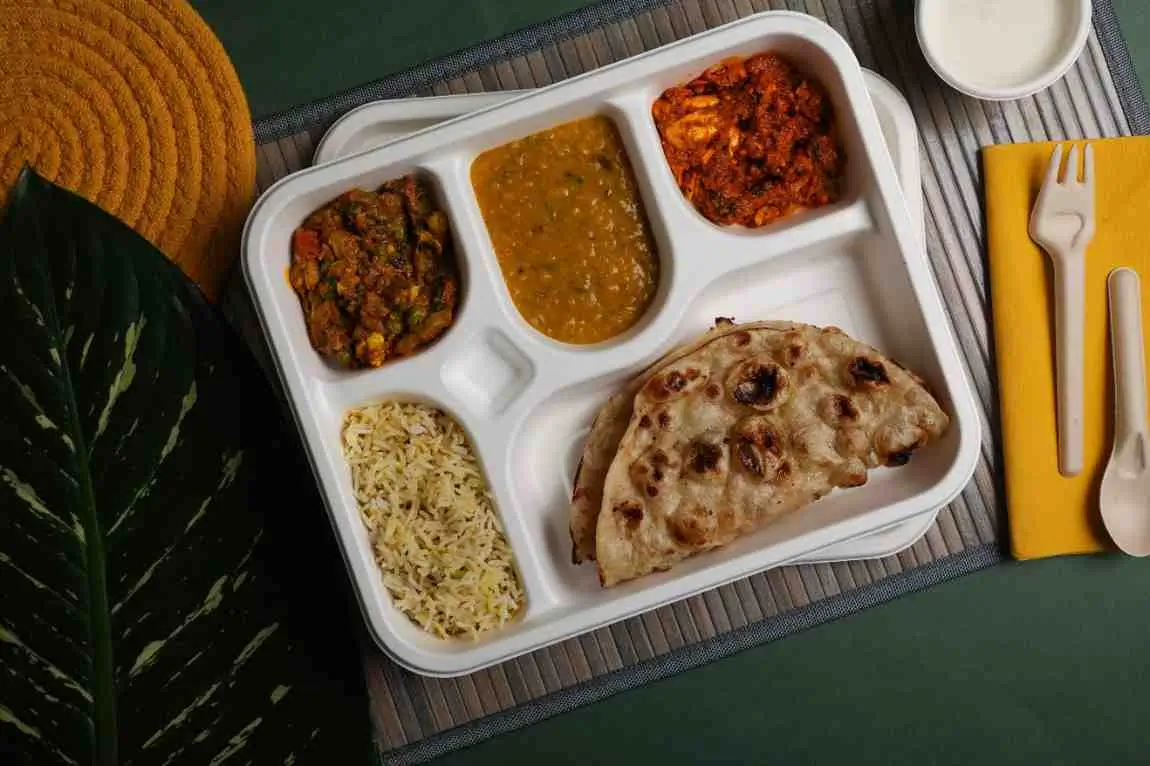
If you’re in India and wondering which companies use biodegradable packaging, then FOMEX deserves a top spot. FOMEX is known for its high-quality compostable tableware made from natural plant fibers like sugarcane bagasse.
FOMEX caters to restaurants, caterers, cloud kitchens, and QSR chains looking to go green without sacrificing performance. From leak-proof containers to elegant dinner plates, FOMEX is helping India transition toward plastic-free dining one meal at a time.
By offering stylish, strong, and sustainable packaging, FOMEX is not just answering the question of which companies use biodegradable packaging, it’s setting the standard for eco-responsible business in India.
2. Unilever
Unilever is one of the first global corporations people think of when they ask which companies use biodegradable packaging. With a strong sustainability mission, Unilever has committed to making all of its plastic packaging reusable, recyclable, or compostable. The company has also started trials with biodegradable sachets for products like shampoos and detergents, especially in emerging markets like India.
Unilever’s eco-packaging initiatives go beyond materials they also reduce packaging waste, optimize logistics, and educate customers.
3. Nestlé
Nestlé is another giant that comes up in searches for which companies use biodegradable packaging. With over 2,000 brands in its portfolio, Nestlé has made bold moves toward reducing single-use plastic. In recent years, the company launched biodegradable paper-based packaging for products like Nesquik and Smarties.
Nestlé has also invested in research centers focused solely on sustainable packaging, proving its long-term commitment to the environment.
4. Paper Boat (Hector Beverages)
Paper Boat, famous for its nostalgic Indian drinks, is also making waves in eco-packaging. It’s one of the few beverage companies in India that openly shares its efforts to reduce plastic and shift toward more biodegradable options.
While still on the journey, Paper Boat’s packaging evolution is a step in the right direction. And that’s why it’s often mentioned when people ask which companies use biodegradable packaging in the Indian food & beverage space.
5. Patagonia
When it comes to outdoor apparel and sustainability, Patagonia is a true pioneer. But did you know they also rank high among which companies use biodegradable packaging? The brand uses compostable poly bags, minimal wrapping, and even ships products in recycled envelopes.
Patagonia believes that every part of a product from the materials to the box it comes in should honor the planet. It’s a shining example of how brands in any industry can adopt biodegradable packaging principles.
6. IKEA
Furniture giant IKEA is making huge strides in the green packaging world. While known for flat-packed furniture, IKEA has committed to replacing all polystyrene with biodegradable and compostable alternatives like mushroom-based packaging.
For those researching which companies use biodegradable packaging, IKEA’s name appears often. Their packaging is designed to be as sustainable as their products, and it supports their global mission of becoming climate-positive by 2030.
7. Lush Cosmetics
Lush doesn’t just make handmade soaps and skincare it also champions eco-packaging. When you ask which companies use biodegradable packaging, Lush stands out for its bold, packaging-free policies.
The brand uses recycled paper bags, compostable containers, and even encourages customers to return empty packaging in exchange for free products. It’s a smart blend of sustainability and customer loyalty.
8. Dell Technologies
Yes, even tech companies are going green. Dell has introduced biodegradable and recyclable materials for packing its computers and accessories. Their mushroom-based packaging and bamboo cushioning systems are designed to decompose naturally without harming the environment.
When people ask which companies use biodegradable packaging outside of food or fashion, Dell is a name that often surprises and impresses.
9. Amazon (Frustration-Free Packaging Program)
Amazon might not be the first name that comes to mind when thinking of which companies use biodegradable packaging, but it’s making serious moves. Through its Frustration-Free Packaging program, Amazon promotes the use of recyclable and compostable materials and has removed tons of plastic from its delivery network.
In some regions, the company has even tested corn-starch-based mailers and paper cushions that break down naturally.
10. Tata Starbucks India
As the demand for sustainable coffee culture grows, Tata Starbucks has begun switching to paper-based, biodegradable packaging across its outlets in India. This includes cups, lids, straws, and carry bags all designed to replace plastic and reduce waste.
When customers ask which companies use biodegradable packaging in the café and beverage space, Starbucks is now part of that conversation especially in eco-conscious cities like Mumbai and Bangalore.
Why Does Biodegradable Packaging Matter?
Now that we’ve looked at which companies use biodegradable packaging, let’s understand why this matters so much.
Plastic pollution is at an all-time high. Every year, over 300 million tons of plastic waste is produced globally and a major portion of it comes from packaging. Most plastic ends up in landfills, rivers, or oceans, where it takes centuries to break down.
Biodegradable packaging helps:
- Reduce pollution
- Protect wildlife and marine ecosystems
- Decrease dependency on fossil fuels
- Lower carbon emissions
- Promote soil health (when composted properly)
It’s not just good for the planet it’s great for business. Today’s consumers are educated, aware, and willing to support brands that align with their values.
What You Can Learn From These Companies
Whether you’re a startup, SME, or an established player, you can learn a lot by studying which companies use biodegradable packaging successfully.
Key Lessons:
- Start small, scale sustainably
- Choose packaging that suits your product without harming the environmennt
- Educate your customers let them know you care
- Partner with reliable eco-packaging suppliers like FOMEX
- Treat packaging as part of your brand identity
Final Thoughts: Time to Rethink Your Packaging
So now you know which companies use biodegradable packaging and why they matter.
These companies are not just saving the planet they’re building trust, loyalty, and future-ready brands. From multinationals to local heroes, each brand listed here proves that biodegradable packaging is practical, beautiful, and powerful.
If you’re running a business in India and still using plastic, it’s time to rethink. The world is changing, and packaging is leading the shift.
Want to be part of the change?
FOMEX can help you get started with eco-friendly, compostable, and beautiful packaging that aligns with your brand values.