
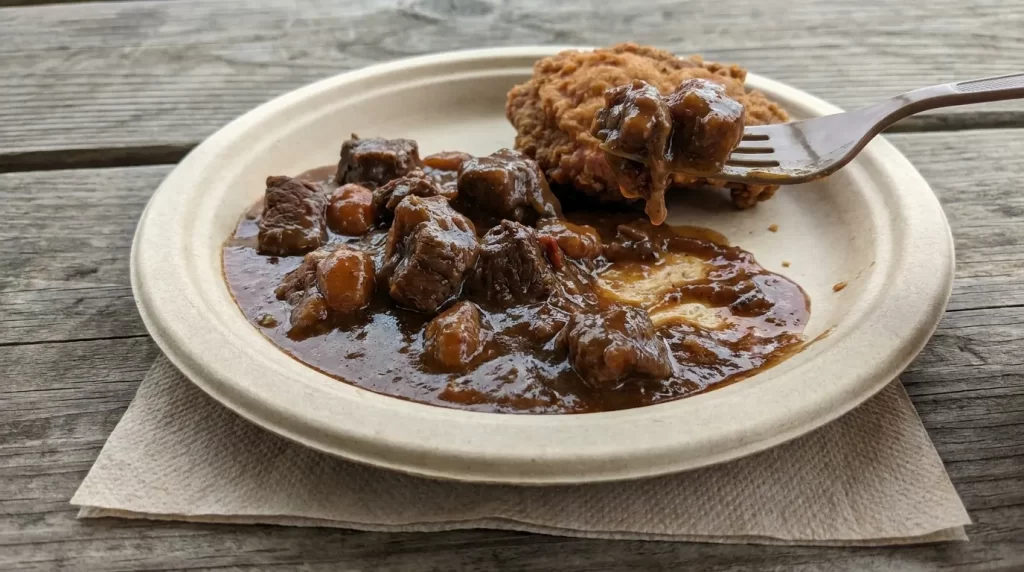
Restaurants, caterers, cloud kitchens, and food delivery businesses need disposable plates that can safely hold gravy, curries, oily foods, and hot meals without leaking or losing their strength. Choosing the right biodegradable tableware is essential for maintaining food quality, improving customer satisfaction, and supporting sustainable food packaging.
Bagasse plates have become one of the most trusted alternatives to plastic and paper plates because they offer excellent moisture resistance, heat resistance, and durability. Manufactured from renewable sugarcane bagasse, these eco-friendly disposable plates are widely used by restaurants, hotels, catering companies, and food service businesses across India and global markets.
In this blog, you’ll learn whether bagasse plates can handle gravy and greasy foods without leaks, how they perform under real food service conditions, their advantages over paper and plastic plates, and why they are the preferred choice for businesses looking for durable, biodegradable disposable plates.
What Are Bagasse Plates?
Bagasse plates are biodegradable disposable plates manufactured from sugarcane bagasse, the natural fibrous residue left after extracting juice from sugarcane. Instead of being treated as agricultural waste, this renewable material is processed into durable, food-grade tableware that provides an eco-friendly alternative to plastic and thermocol plates.
Using advanced molding technology, manufacturers convert bagasse fibers into strong and lightweight products suitable for serving both hot and cold foods. Today, bagasse plates are widely used by restaurants, hotels, catering companies, cloud kitchens, and food delivery businesses because they combine durability, food safety, and sustainability.
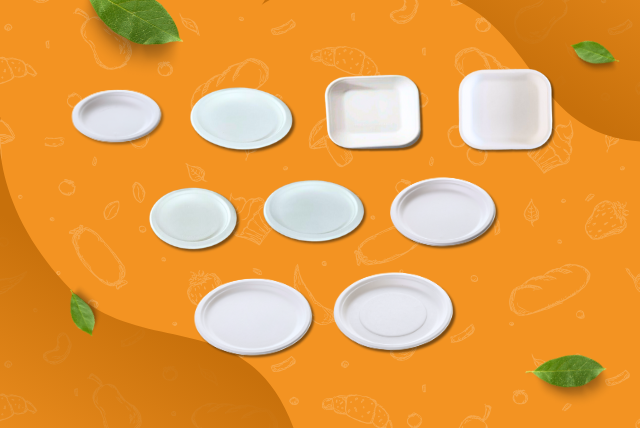
Common bagasse tableware products include:
- Dinner Plates
- Snack Plates
- Compartment Plates
- Round Plates
- Bowls
- Meal Trays
- Food Containers
As demand for sustainable food packaging continues to grow, bagasse plates have become one of the most popular biodegradable disposable tableware solutions worldwide.
Can Bagasse Plates Hold Gravy Without Leaking?
Designed for Hot and Moist Food
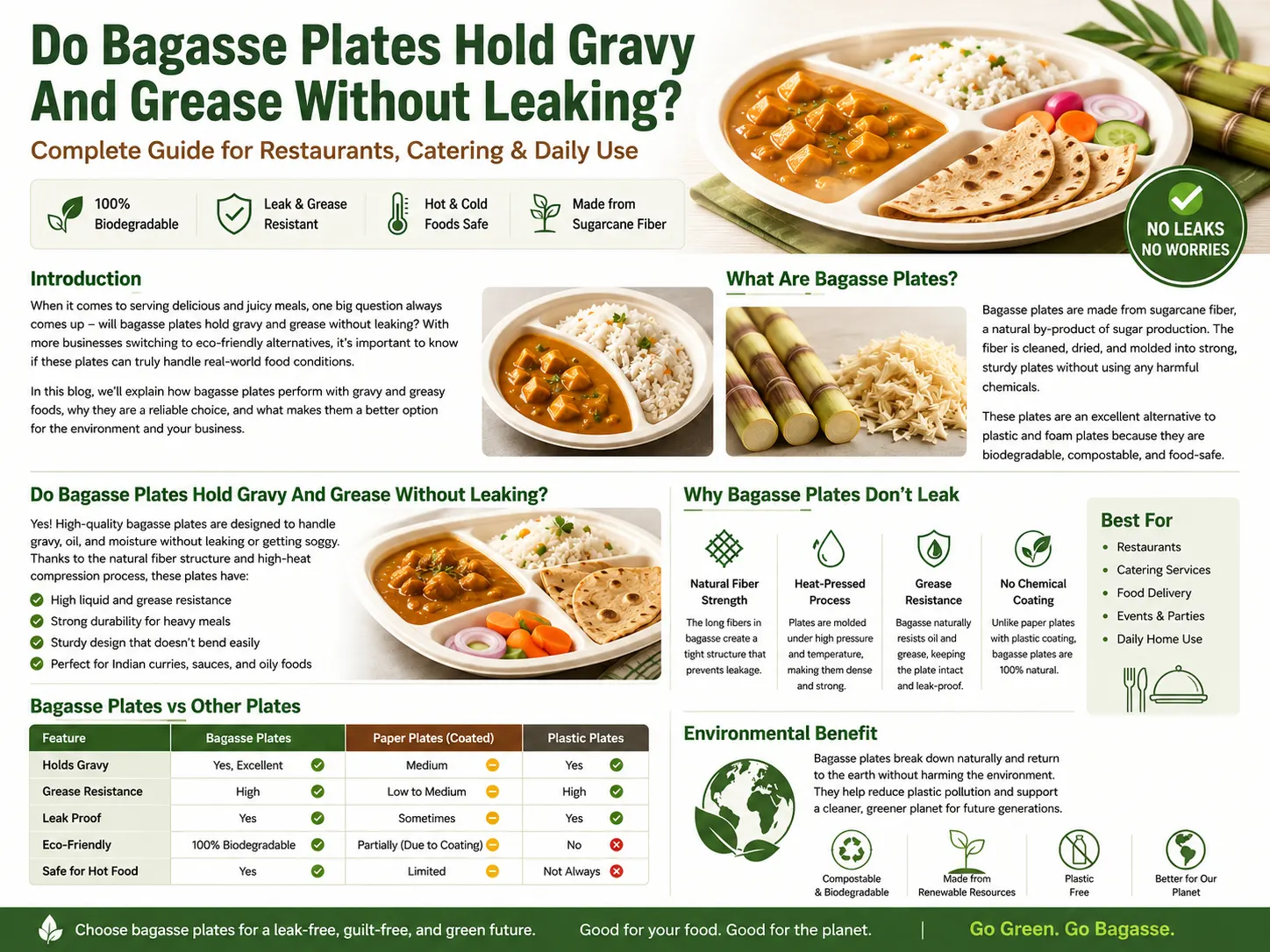
Yes, high-quality bagasse plates are specifically designed to hold hot and moist food items including gravy-based meals.
They are commonly used for:
- Indian curries
- Dal and gravy dishes
- Rice meals
- Oily snacks and fast food
The dense fiber structure helps prevent leakage during normal food service use.
Leak Resistance Performance
Bagasse plates are manufactured using compressed sugarcane fibers molded under high heat and pressure.
This process creates:
- Strong surface density
- Moisture resistance
- Better structural strength
As a result, food-grade bagasse plates can handle moderate liquid exposure without softening quickly.
Can Bagasse Plates Handle Greasy Food?
Oil Resistance Properties
Bagasse plates perform well with oily and greasy food.
They are suitable for:
- Fried snacks
- Fast food items
- Grilled food
- Restaurant takeaway meals
Unlike low-quality paper plates, bagasse plates absorb less oil and maintain their structure longer.
Heat Resistance Advantage
Greasy food is often served hot, which weakens many disposable plates.
Bagasse plates offer:
- Heat resistance
- Better rigidity under hot conditions
- Stability during serving and transport
This makes them suitable for both dine-in and takeaway applications.
Why Bagasse Plates Resist Leakage Better Than Paper Plates
Stronger Fiber Structure
Bagasse plates are made from molded natural fibers, creating a thicker and stronger structure compared to standard paper plates.
Higher Density Manufacturing
The heat and pressure molding process improves durability and liquid resistance.
Better Moisture Handling
Bagasse plates tolerate steam, grease, and gravy better than lightweight paper alternatives.
Bagasse Plates vs Paper Plates for Gravy and Grease
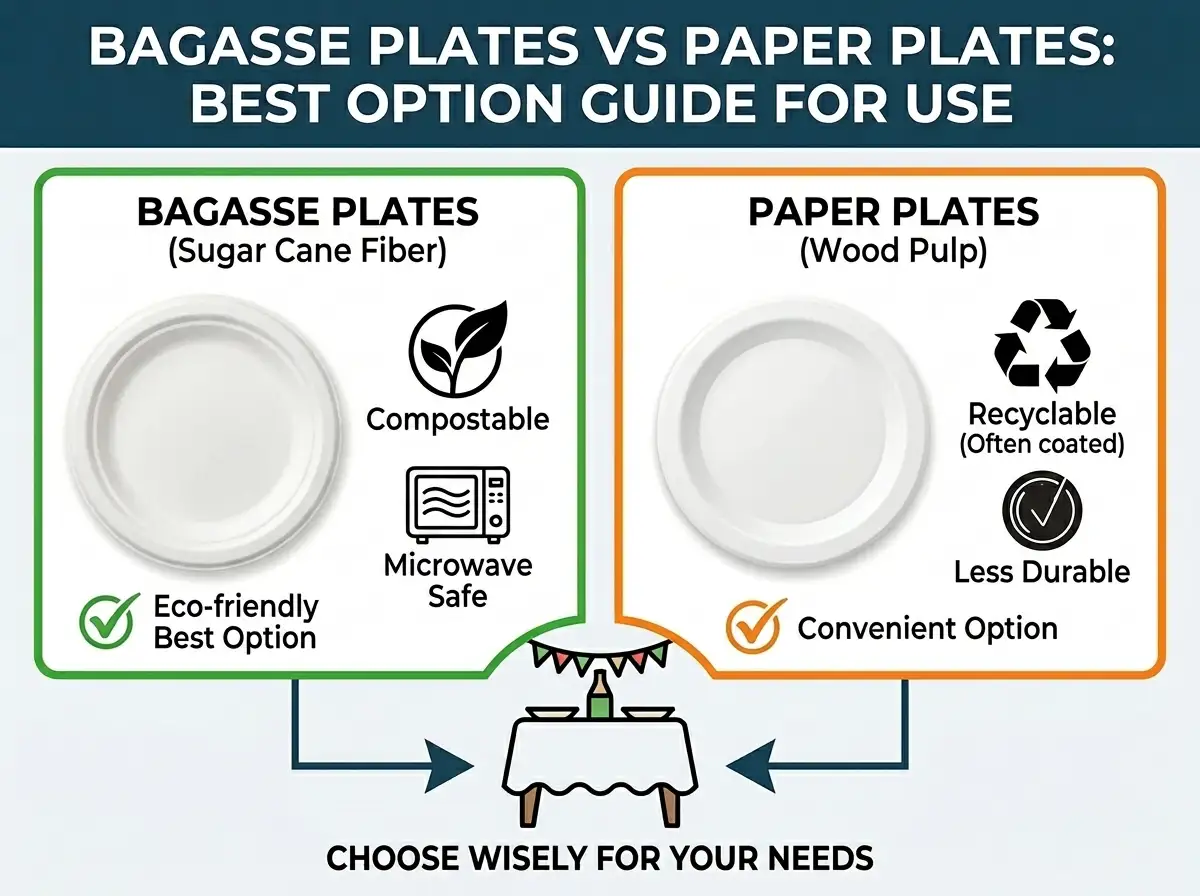
Bagasse Plates
- Better for oily and liquid food
- Stronger and more durable
- Heat resistant
- Plastic free and biodegradable
Paper Plates
- Suitable for dry snacks
- Less durable with gravy
- Can soften quickly with grease
- Lower moisture resistance
For heavy meals and Indian food service, bagasse plates provide better overall performance.
Applications Where Leak Resistance Matters
Bagasse plates are widely used across the food service industry because they offer excellent resistance to moisture, gravy, grease, and heat while supporting sustainable packaging practices. Their durability and leak-resistant performance make them suitable for a variety of commercial applications.
Restaurants and Cafés
Restaurants and cafés use bagasse plates to serve curries, rice dishes, snacks, fast food, and complete meals. Their sturdy construction helps maintain food presentation while reducing the risk of leaks during dine-in and takeaway service.
Catering Companies
Catering businesses rely on bagasse plates for weddings, corporate events, exhibitions, festivals, and social gatherings. These biodegradable plates can handle a wide range of hot and oily foods, making them ideal for large-scale food service operations.
Food Delivery and Cloud Kitchens
Cloud kitchens and food delivery businesses need packaging that can withstand transportation without becoming weak or leaking. Bagasse plates provide dependable performance for takeaway meals by helping contain gravy, sauces, and greasy foods during delivery.
Hotels and Resorts
Hotels and hospitality businesses use bagasse plates as part of their sustainable dining initiatives. They are suitable for buffet services, room service, outdoor events, and eco-friendly catering while maintaining a professional presentation.
Street Food and Fast Food Vendors
Street food vendors and fast food outlets frequently serve fried snacks, chaats, curries, and other oily meals. Bagasse plates offer the strength and leak resistance needed for these foods while providing an environmentally friendly alternative to plastic and thermocol plates.
Food Safety Benefits of Bagasse Plates
Food safety is one of the most important considerations when choosing disposable tableware for restaurants, catering services, and food delivery businesses. Bagasse plates are manufactured from natural sugarcane fibers and are designed for direct food contact, making them a reliable choice for serving a wide variety of meals.
High-quality bagasse plates are suitable for hot, cold, dry, and moisture-rich foods while maintaining their strength and structural integrity during normal food service use. Unlike some conventional plastic products, bagasse plates are made without petroleum-based materials, offering a safer and more sustainable solution for disposable food packaging.
Key food safety benefits include:
Made from natural sugarcane bagasse
Suitable for direct food contact
Safe for hot and cold food applications
Free from harmful plastic coatings
Non-toxic material composition
Maintains stability during normal heating and serving conditions
Ideal for restaurants, catering companies, and takeaway services
By choosing food-grade bagasse plates, businesses can provide customers with durable, hygienic, and environmentally responsible tableware while supporting sustainable food packaging practices.
Growing Demand for Sustainable Disposable Plates
The demand for biodegradable disposable plates is increasing rapidly as businesses and consumers seek environmentally responsible alternatives to plastic tableware. Government regulations on single-use plastics and growing awareness of sustainable packaging have encouraged restaurants, hotels, catering companies, and food delivery businesses to adopt bagasse plates.
Manufactured from renewable sugarcane bagasse, these eco-friendly disposable plates help reduce plastic waste while making productive use of agricultural byproducts. Their biodegradable and compostable properties support circular economy initiatives and contribute to cleaner waste management practices.
By switching to bagasse plates, businesses can meet sustainability goals, improve their brand image, and provide customers with environmentally friendly food packaging solutions without compromising quality or performance.
Best Practices for Using Bagasse Plates
To maximize the performance and durability of bagasse plates, businesses should follow a few simple best practices during storage and use.
Choose certified food-grade bagasse plates from a trusted manufacturer.
Select thicker plates for heavy meals, curries, and gravy-based dishes.
Avoid storing liquid foods in the same plate for extended periods.
Store bagasse plates in a clean, cool, and dry environment before use.
Use the appropriate plate size and thickness based on the type of food being served.
Following these guidelines helps maintain leak resistance, food safety, and overall product performance during dine-in, takeaway, and food delivery applications.
Common Myths About Bagasse Plates
Myth: Biodegradable Plates Are Not Strong Enough
Modern bagasse plates are manufactured using advanced molding technology that creates a strong and durable structure suitable for restaurants, catering services, food delivery businesses, and commercial food service operations.
Myth: Bagasse Plates Leak with Gravy and Oily Foods
High-quality food-grade bagasse plates are designed to resist moisture, grease, and gravy during normal serving conditions. Their dense fiber structure provides reliable performance for hot and oily meals.
Myth: Bagasse Plates Cannot Handle Hot Food
Bagasse plates are suitable for serving hot curries, rice dishes, snacks, and takeaway meals. Their heat-resistant properties make them a dependable alternative to plastic and low-quality paper plates for everyday food service.
Conclusion
Bagasse plates have proven to be a reliable solution for serving gravy, oily foods, curries, and hot meals without leaking under normal food service conditions. Their dense molded sugarcane fiber structure provides excellent moisture resistance, heat resistance, and durability, making them a practical choice for restaurants, cafés, catering companies, cloud kitchens, hotels, and food delivery businesses.
As businesses continue to replace plastic tableware with sustainable alternatives, bagasse plates are becoming the preferred choice for environmentally responsible food packaging. They not only offer dependable performance for everyday food service but also help reduce plastic waste and support long-term sustainability goals.
If you are looking for premium-quality bagasse plates, Fomex Group India is a trusted manufacturer and supplier of biodegradable tableware and eco-friendly food packaging solutions. With a wide range of bagasse plates, bowls, meal trays, food containers, and disposable tableware, Fomex delivers durable, food-grade products for domestic and international markets.