
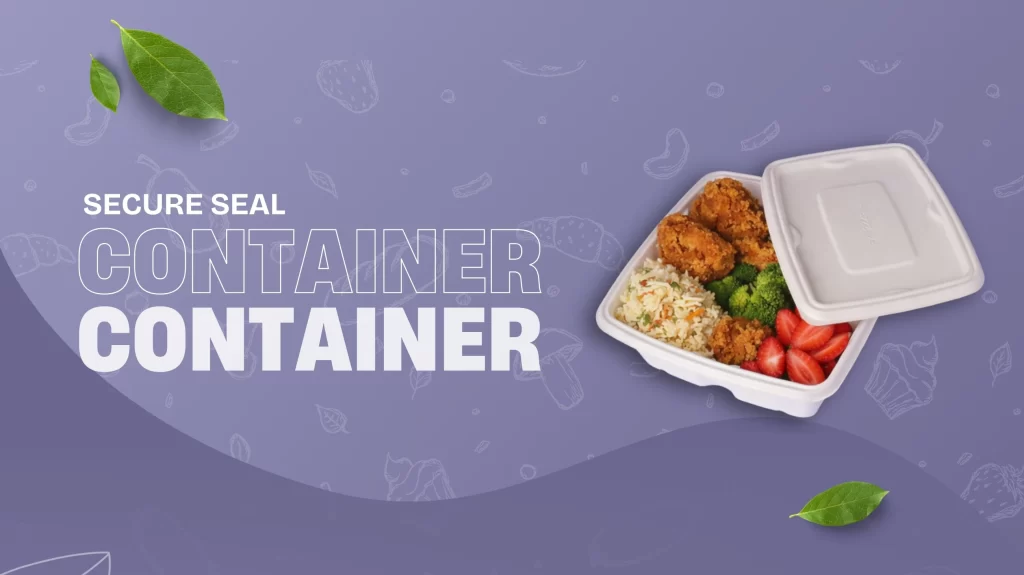
As plastic bans increase and sustainability becomes a priority, many restaurants, food brands, and caterers are switching to biodegradable food packaging. But one critical question often creates confusion. How do you know if biodegradable food packaging is actually safe for food contact, especially for hot, oily, or takeaway meals?
This guide explains how to identify food grade biodegradable packaging, what safety standards matter, and how to avoid unsafe or low-quality alternatives. You will learn how food safety certification works, which materials are safe, how to check manufacturers, and what to look for before using biodegradable packaging for food.
What Does Food Safe Packaging Mean?
Food safe packaging refers to materials that can come into direct contact with food without causing contamination.
For biodegradable packaging, food safety means:
No toxic chemicals
No harmful residue transfer
No reaction with heat, moisture, or oil
No impact on taste or smell
Food grade biodegradable packaging must meet the same safety expectations as conventional food packaging, even though it is made from natural materials.
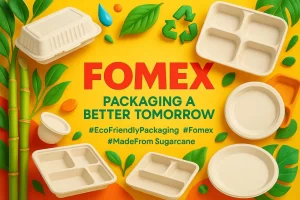
Why Food Safety Matters in Biodegradable Packaging
Many people assume that because a product is biodegradable or eco friendly, it is automatically safe for food. That is not always true.
Poorly manufactured biodegradable packaging can:
Absorb excessive moisture
Break down too quickly
Transfer odors or particles
Fail under heat
This is why checking food safety is essential, especially for restaurants, cloud kitchens, and food delivery businesses.
Step 1: Check the Raw Materials Used
Safe Materials for Food Contact
Most food safe biodegradable packaging products are made from natural fibers that are proven suitable for food use.
Common food grade materials include:
Sugarcane bagasse
Areca palm leaves
Cornstarch-based materials
Molded paper fiber
Among these, bagasse is the most widely used due to its strength and heat resistance.
Is Bagasse Packaging Safe for Food?
Yes. Bagasse food packaging is made from sugarcane pulp left after juice extraction.
Bagasse packaging is:
Plastic free
Chemical free
Non toxic
Safe for hot and oily food
This makes bagasse plates safe for food, especially for Indian meals that involve heat and moisture.
Step 2: Understand Food Safety Certifications
What Certifications Indicate Food Grade Packaging?
Food grade biodegradable packaging should comply with recognized food safety standards.
Key indicators include:
Compliance with food contact material guidelines
Hygienic manufacturing conditions
Material safety test reports
While certification names may vary, the principle remains the same. The packaging must be tested to ensure it does not contaminate food.
Why Certifications Matter
Certifications confirm that biodegradable packaging:
Has been tested under real food contact conditions
Does not release harmful substances
Meets hygiene and safety benchmarks
Always ask your supplier or biodegradable food packaging manufacturer in India for documentation.
Step 3: Check Suitability for Hot and Oily Food
Can Biodegradable Packaging Be Used for Hot Food?
Yes, but only if it is designed for it.
Biodegradable packaging for hot food should:
Maintain shape under heat
Resist oil and moisture
Not soften or leak
Bagasse-based products typically perform well at temperatures up to 120°C.
Examples of Heat-Safe Products
Biodegradable bowls for hot food
Biodegradable food containers food grade
Biodegradable takeaway containers safe for meals
Always confirm heat resistance if you serve hot curries, gravies, or fried items.
Step 4: Evaluate Product Type and Usage
Different biodegradable products are designed for different use cases.
Plates and Bowls
Biodegradable plates food safe and biodegradable bowls for hot food are commonly used for:
Dine-in service
Catering
Events and celebrations
Products such as biodegradable celebration plates food grade are designed to handle full meals safely.
Food Containers
Biodegradable food containers food grade are used for takeaway and delivery.
They should:
Prevent leakage
Maintain food hygiene
Stay intact during transport
Products like biodegradable meal containers for restaurants are specifically designed for these needs.
Clamshell Boxes and Trays
Biodegradable clamshell boxes food safe and biodegradable meal trays food grade are ideal for:
Combo meals
Institutional catering
Airline and cafeteria use
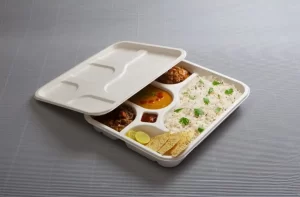
Compartment trays biodegradable food safe help separate food items without cross-contamination.
Cups and Dip Cups
Biodegradable dip cups food safe are suitable for sauces, chutneys, and condiments.
Biodegradable cups for beverages are safe when used as intended, especially for cold drinks or short-duration hot beverages.
Step 5: Compostable vs Biodegradable Food Safety
Compostable vs Biodegradable Food Safety Explained
Many buyers confuse compostable and biodegradable packaging.
From a food safety perspective:
Both can be safe for food contact
Safety depends on manufacturing quality, not labels
The key factor is whether the product is food grade biodegradable packaging, not whether it is compostable or biodegradable.
Step 6: Inspect Manufacturing and Hygiene Standards
Food safety is not just about material. It is also about how the product is made.
A reliable food grade biodegradable packaging manufacturer will ensure:
Clean production environments
No harmful additives
Controlled molding and drying processes
Proper storage and handling
This is especially important for businesses operating under food packaging plastic ban India regulations.
Conclusion
Knowing whether biodegradable food packaging is food safe comes down to one key principle. Always choose food grade biodegradable packaging from a reliable manufacturer.
When made from safe materials like bagasse and produced under proper food safety standards, biodegradable plates, bowls, containers, clamshells, and trays are completely safe for food contact, including hot and oily meals.
For restaurants, caterers, and food brands, food safety is non-negotiable. Sustainable packaging should never compromise hygiene or consumer trust.
Before switching from plastic, take the time to verify materials, certifications, and product suitability. It is the smartest way to serve food safely and responsibly.
Frequently Asked Questions(FAQs)
How can I know if biodegradable packaging is food safe?
Check the raw material, food safety certifications, heat resistance, and manufacturer credibility.
Is biodegradable packaging safe for hot food?
Yes. Bagasse-based packaging is safe for hot and oily food when properly manufactured.
Is bagasse food packaging safe?
Yes. Bagasse packaging is chemical free, non toxic, and widely used for food service.
What makes packaging food grade?
Food grade packaging does not transfer harmful substances, odors, or chemicals into food.
Can biodegradable packaging replace plastic safely?
Yes. Food grade biodegradable packaging is a safe and compliant alternative to plastic food packaging.