
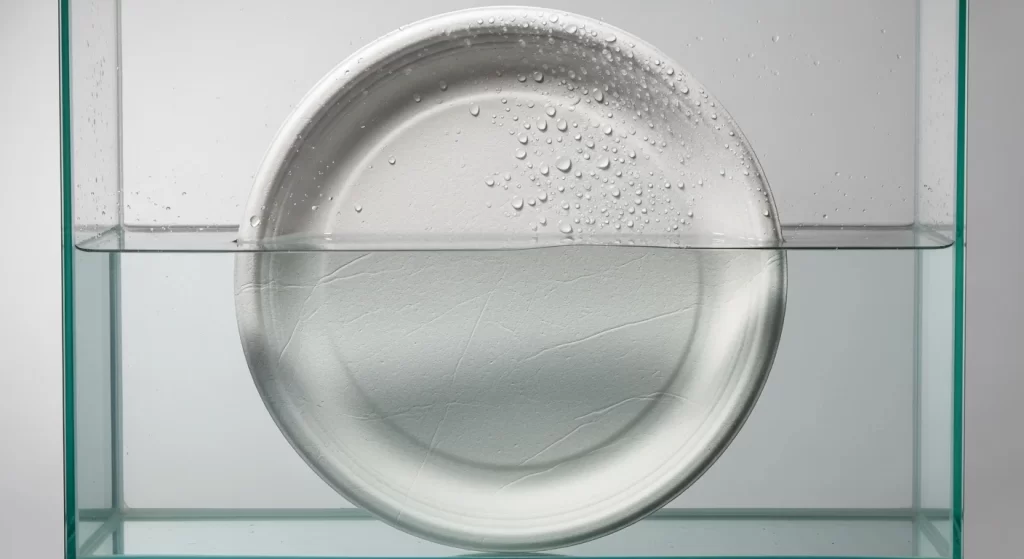
Many restaurants, catering companies, and food delivery businesses now prefer biodegradable packaging as part of their sustainability efforts. However, one important question still comes up. Can bagasse tableware handle water, gravy, grease, and moisture without leaking or losing its strength?
In this blog, you will learn whether bagasse tableware products are waterproof, how they perform with liquids and oily food, and why businesses widely use them for sustainable food packaging. In addition, we will explain how bagasse tableware is made, its water-resistant properties, its performance with hot and cold foods, and how it compares with traditional paper and plastic products. You will also discover the best practices for commercial food service use.
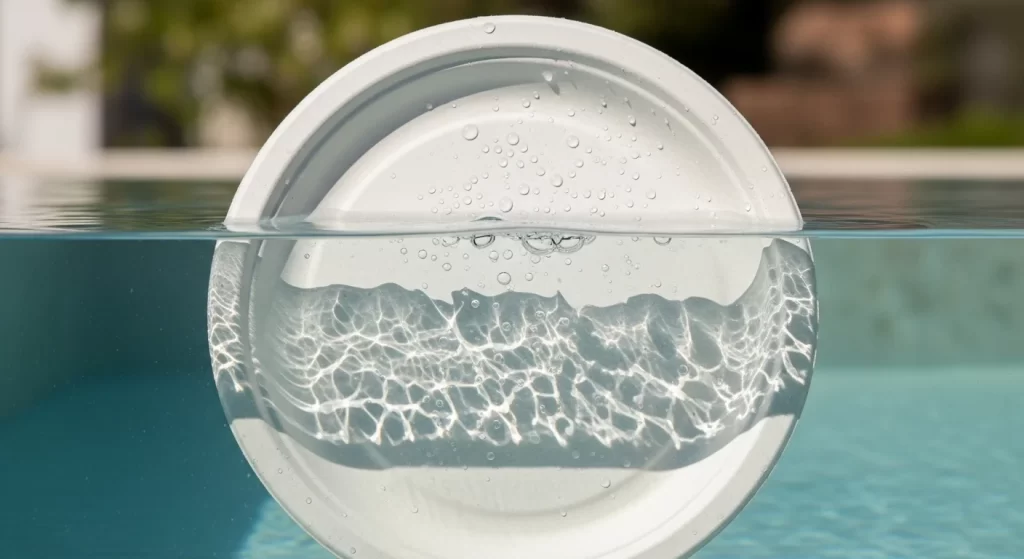
Water resistance is one of the most important factors when selecting disposable food packaging products. Restaurants, catering companies, cloud kitchens, and food delivery businesses need tableware that can handle moisture, oil, sauces, and hot foods without leaking or losing strength.
Customers expect food packaging to maintain its appearance and functionality throughout transportation and serving. If a plate or container becomes weak due to moisture exposure, it can negatively affect the customer experience and damage a business’s reputation.
This is why many food service businesses are replacing conventional paper products with bagasse tableware. Its natural fiber structure offers better moisture resistance and durability while supporting sustainable packaging goals.
Performance of Bagasse Tableware with Different Food Types
One of the biggest advantages of bagasse tableware products is their ability to perform well with a wide variety of food items. Unlike ordinary paper plates that may absorb moisture quickly, bagasse products are specifically designed for modern food service applications.
Bagasse tableware works effectively with:
- Rice and curry dishes
- Soups and semi-liquid foods
- Oily snacks and fried foods
- Fast food meals
- Desserts and bakery products
- Fresh fruits and salads
- Hot beverages and cold drinks
The dense sugarcane fiber structure helps maintain product strength even when exposed to hot or moisture-rich foods. As a result, bagasse plates, bowls, and containers are widely used by restaurants, cafes, and catering companies.
Why Bagasse Tableware Is Better Than Traditional Paper Products
Although both paper and bagasse products are considered environmentally friendly alternatives to plastic, bagasse tableware generally offers superior performance.
Traditional paper products often absorb moisture quickly, especially when used with oily foods, gravies, or hot meals. This can cause the packaging to weaken and lose its structural integrity.
Bagasse tableware offers several advantages:
- Better leak resistance
- Greater durability
- Improved heat resistance
- Enhanced food presentation
- Stronger structure for takeaway packaging
- Better performance with oily and moist foods
Because of these benefits, many businesses prefer sugarcane bagasse products over conventional paper tableware.
Why Bagasse Tableware Is Better Than Traditional Paper Products
Although both paper and bagasse products are considered environmentally friendly alternatives to plastic, bagasse tableware generally offers superior performance.
Traditional paper products often absorb moisture quickly, especially when used with oily foods, gravies, or hot meals. This can cause the packaging to weaken and lose its structural integrity.
Bagasse tableware offers several advantages:
- Better leak resistance
- Greater durability
- Improved heat resistance
- Enhanced food presentation
- Stronger structure for takeaway packaging
- Better performance with oily and moist foods
Because of these benefits, many businesses prefer sugarcane bagasse products over conventional paper tableware.
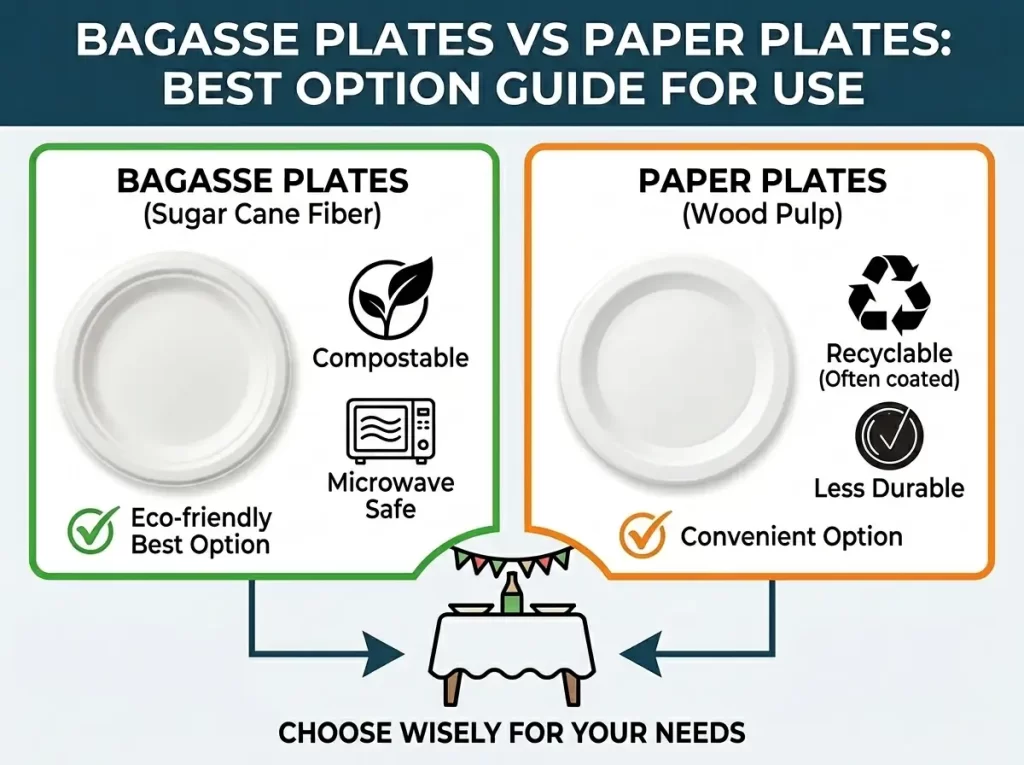
Bagasse vs Paper Tableware for Water Resistance
Bagasse Tableware
- Better moisture resistance
- Stronger structure
- Suitable for oily and hot food
- Less likely to leak quickly
Standard Paper Tableware
- Absorbs moisture faster
- Weakens with gravy and oil
- Limited durability for liquid food
Bagasse products are generally stronger and more leak resistant than standard paper plates and bowls.
Common Commercial Uses of Water-Resistant Bagasse Products
The versatility of bagasse tableware has made it a popular choice across multiple industries. Businesses need disposable packaging that is reliable, sustainable, and cost-effective.
Common applications include:
Restaurants and Cafes
Bagasse plates and bowls are frequently used for serving meals, snacks, desserts, and takeaway orders.
Catering Services
Large-scale events require disposable tableware that can handle various food types while supporting eco-friendly initiatives.
Food Delivery Companies
Leak-resistant bagasse containers help maintain food quality during transportation and delivery.
Hotels and Resorts
Hospitality businesses use biodegradable tableware as part of their sustainability programs.
Corporate Events
Organizations increasingly choose compostable tableware to reduce environmental impact at conferences and business events.
Food Safety Benefits of Bagasse Tableware
In addition to moisture resistance, bagasse tableware products offer several food safety advantages.
Manufactured from natural sugarcane fibers, bagasse products are generally free from harmful chemicals commonly associated with certain plastic products. They provide a clean and safe surface for serving food while maintaining product stability under normal usage conditions.
Food-grade bagasse tableware is suitable for:
- Hot meals
- Cold foods
- Oily dishes
- Desserts
- Beverages
This combination of food safety and sustainability makes bagasse products a preferred choice for modern food packaging applications.
Why Businesses Are Switching to Bagasse Tableware
Environmental regulations and consumer preferences are driving a major shift toward biodegradable food packaging solutions.
Businesses are increasingly choosing bagasse tableware because it offers:
- Reduced plastic waste
- Improved brand image
- Compliance with sustainability goals
- Better customer perception
- Reliable food packaging performance
- Renewable raw materials
As awareness of environmental issues continues to grow, demand for biodegradable tableware products is expected to increase across restaurants, food delivery platforms, and catering industries.
Fomex Group India Bagasse Tableware Solutions
Fomex Group India manufactures a wide range of premium bagasse tableware products designed for commercial food service applications. Our products are produced using high-quality sugarcane bagasse and advanced manufacturing processes to ensure durability, moisture resistance, and food safety.
Our product range includes:
- Bagasse Plates
- Bagasse Bowls
- Bagasse Cups
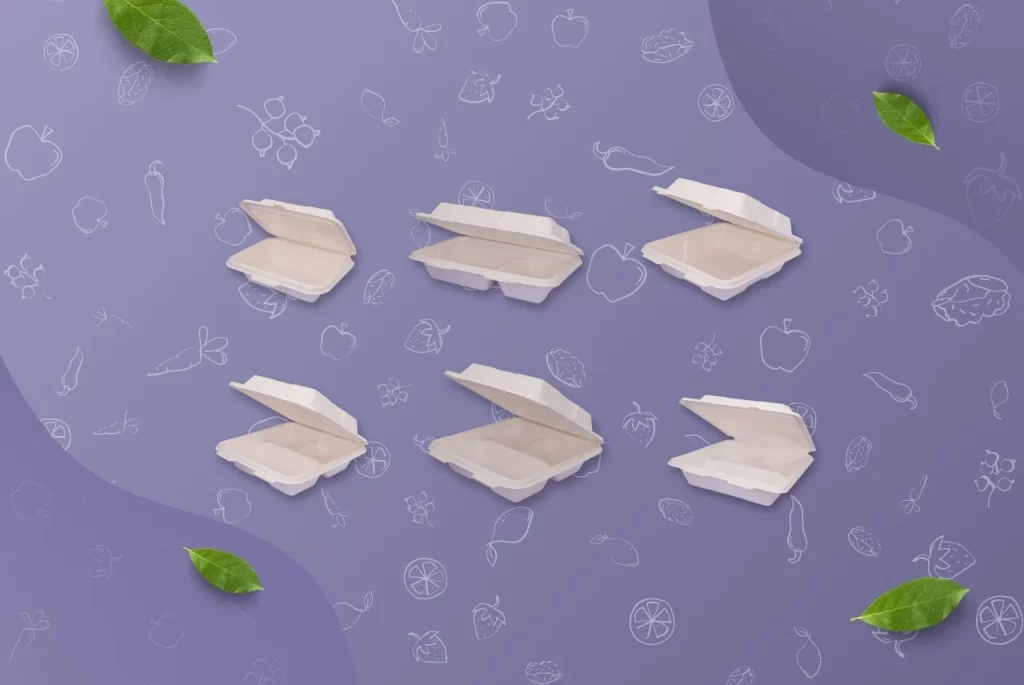
- Clamshell Food Containers
- Meal Trays
- Biodegradable Food Packaging Products
Whether you operate a restaurant, catering company, hotel, or food delivery business, Fomex provides sustainable packaging solutions that combine functionality with environmental responsibility.
Conclusion
Bagasse tableware products are water resistant and strong enough to handle hot, moist, oily, and liquid-based foods under normal food service conditions. Although they are not permanently waterproof like plastic containers, they still provide reliable performance for restaurants, catering businesses, takeaway services, and food delivery operations.
In addition, bagasse products combine durability, food safety, and biodegradability, making them one of the most practical and eco-friendly alternatives to traditional disposable plastic packaging. As more businesses move toward sustainable food packaging solutions, bagasse tableware continues to grow in popularity across the food service industry.